

The collection of relics and artefacts of the Holy Monastery of Skiadi
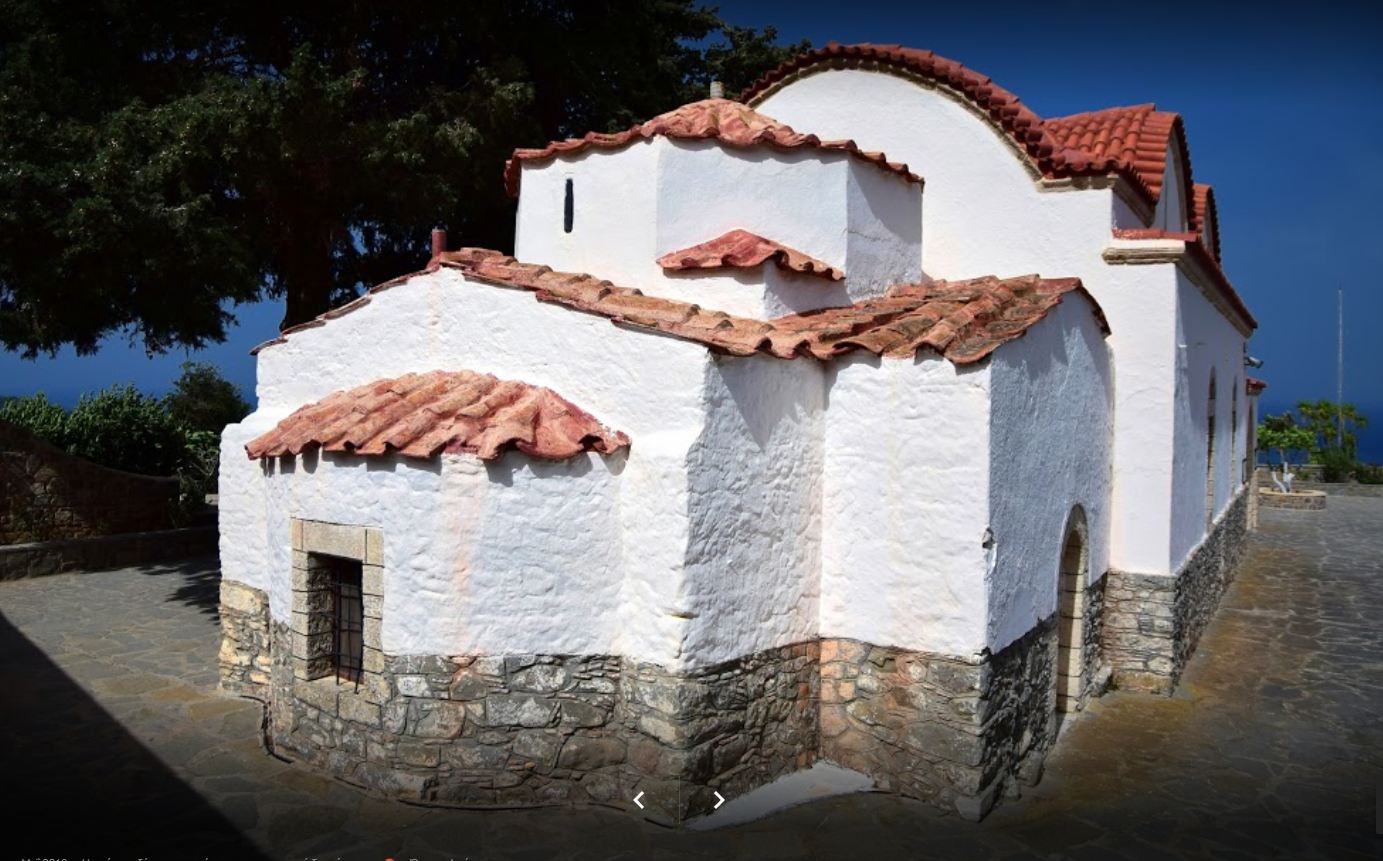
The collection of relics and artefacts of the holy monastery includes more than two hundred objects.
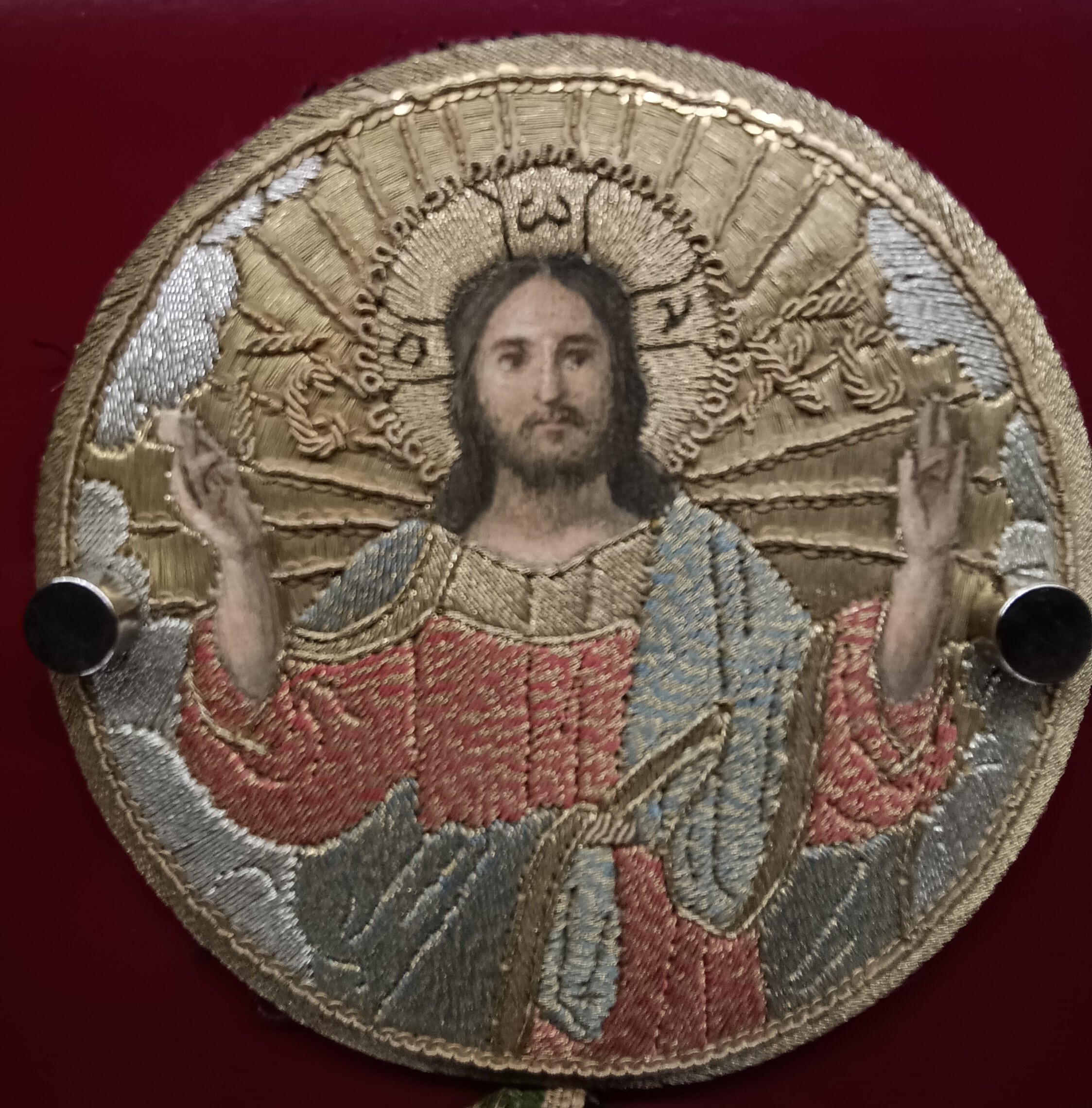
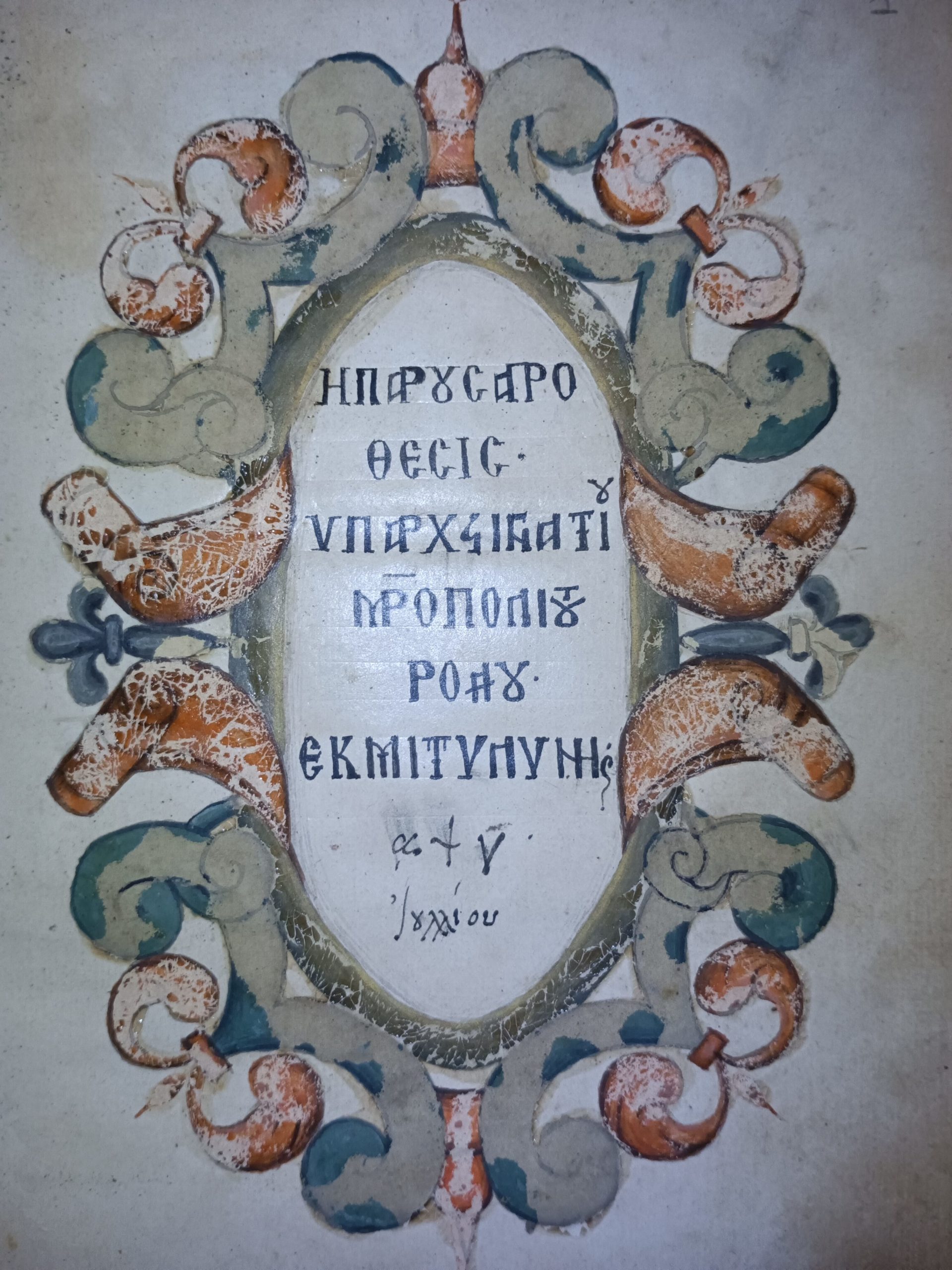
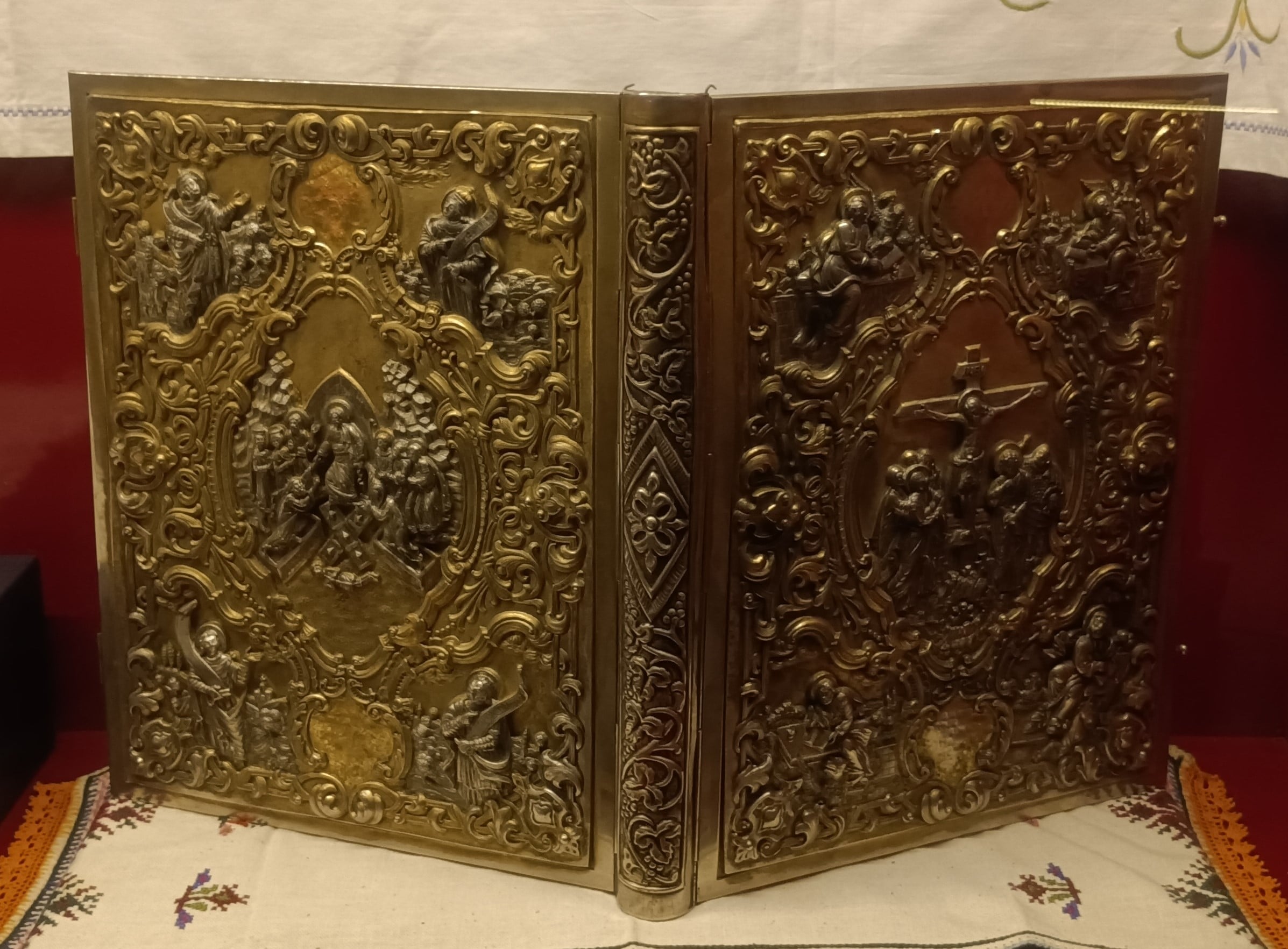
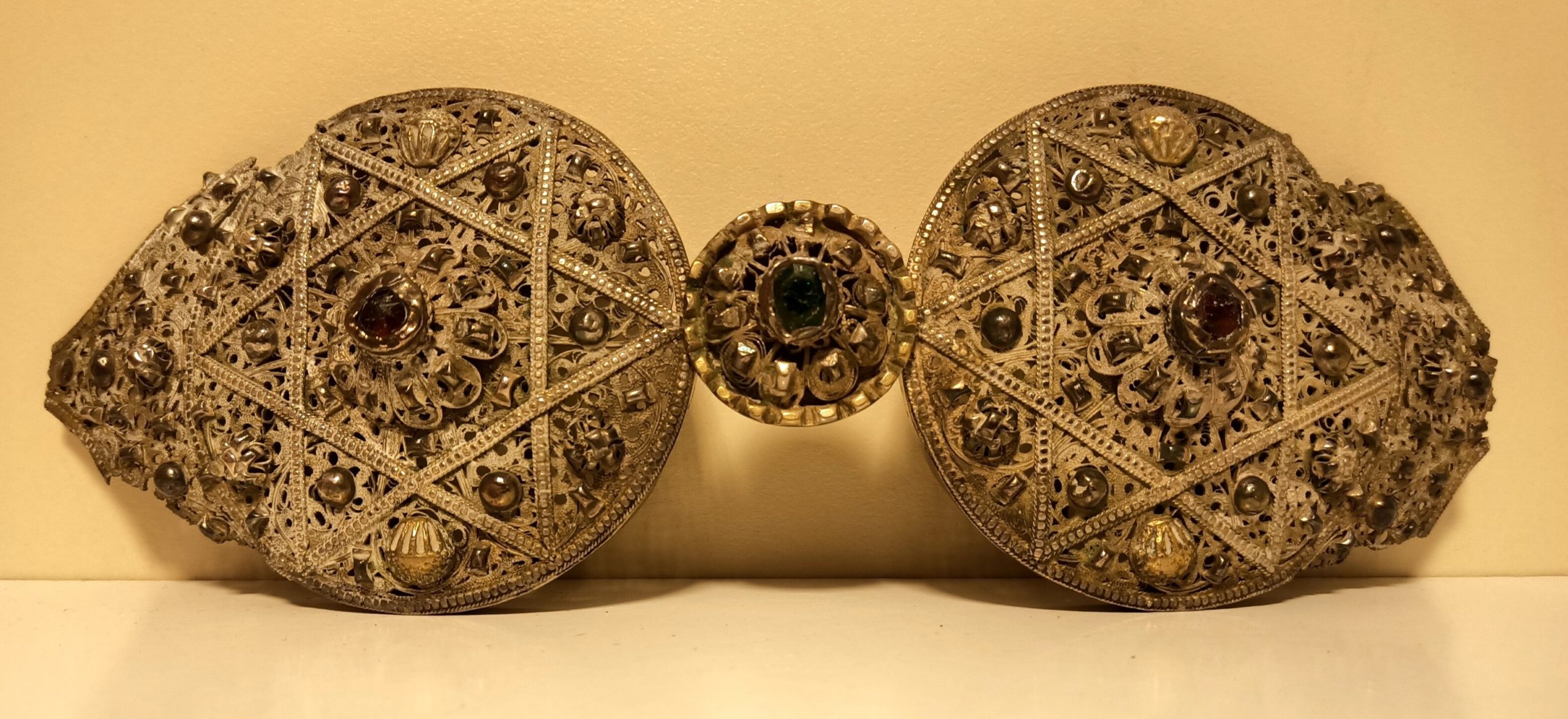
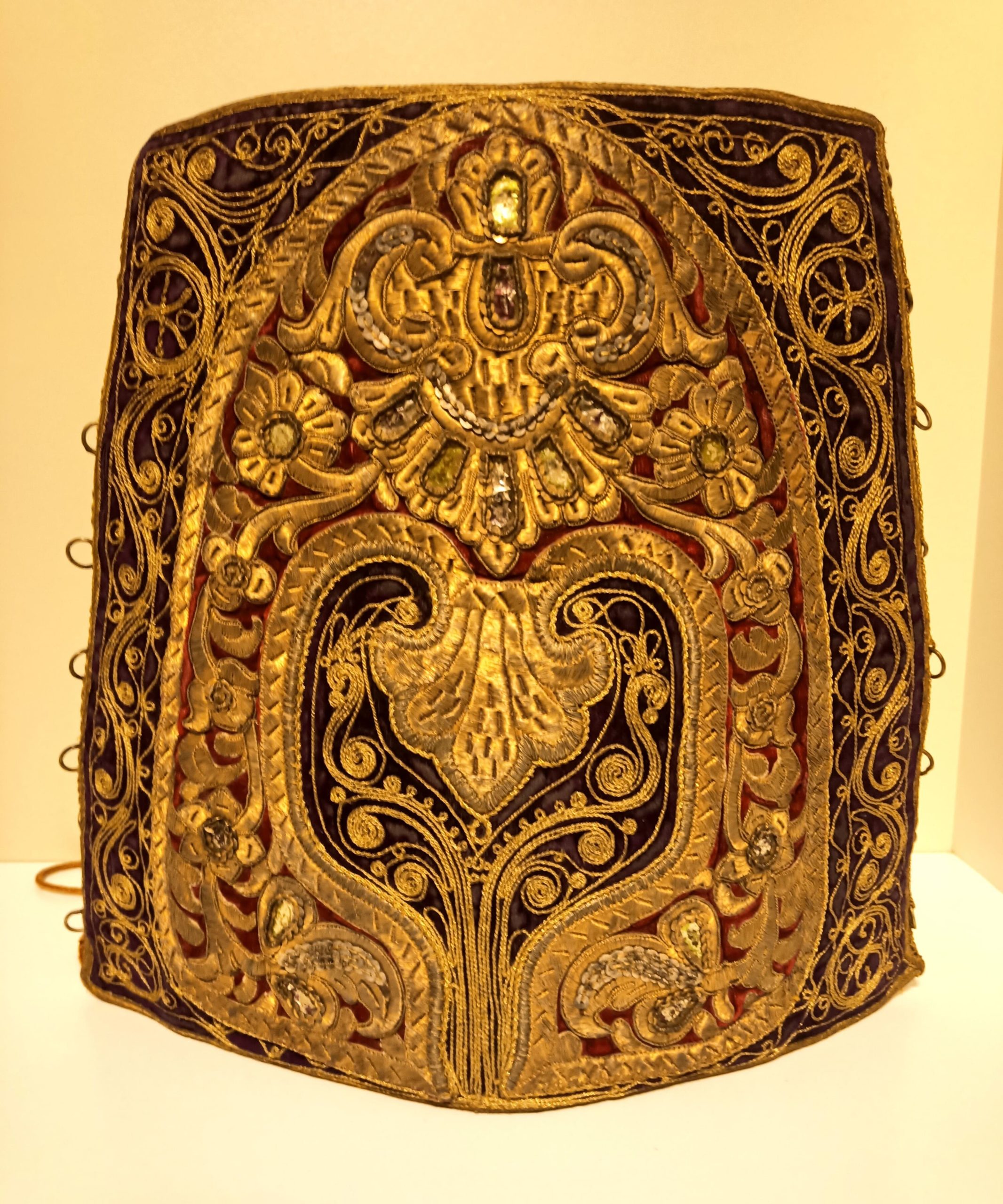
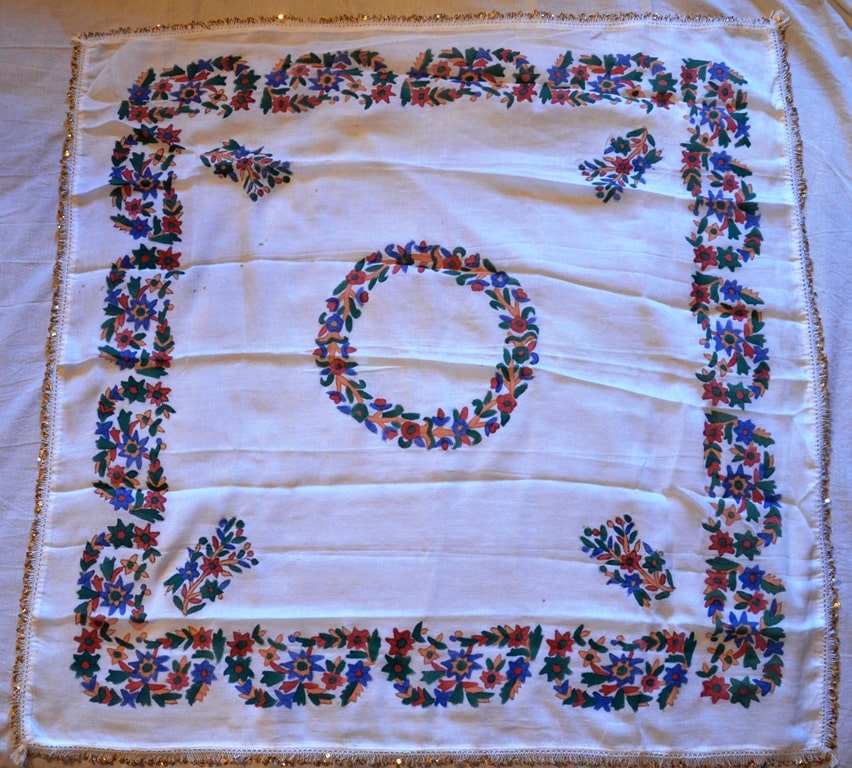
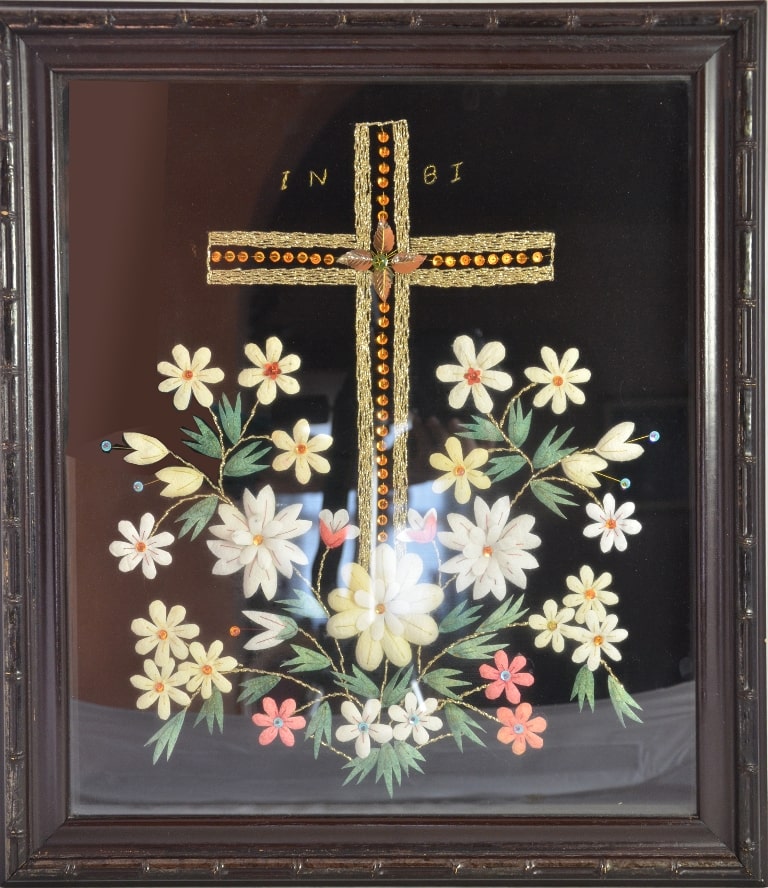
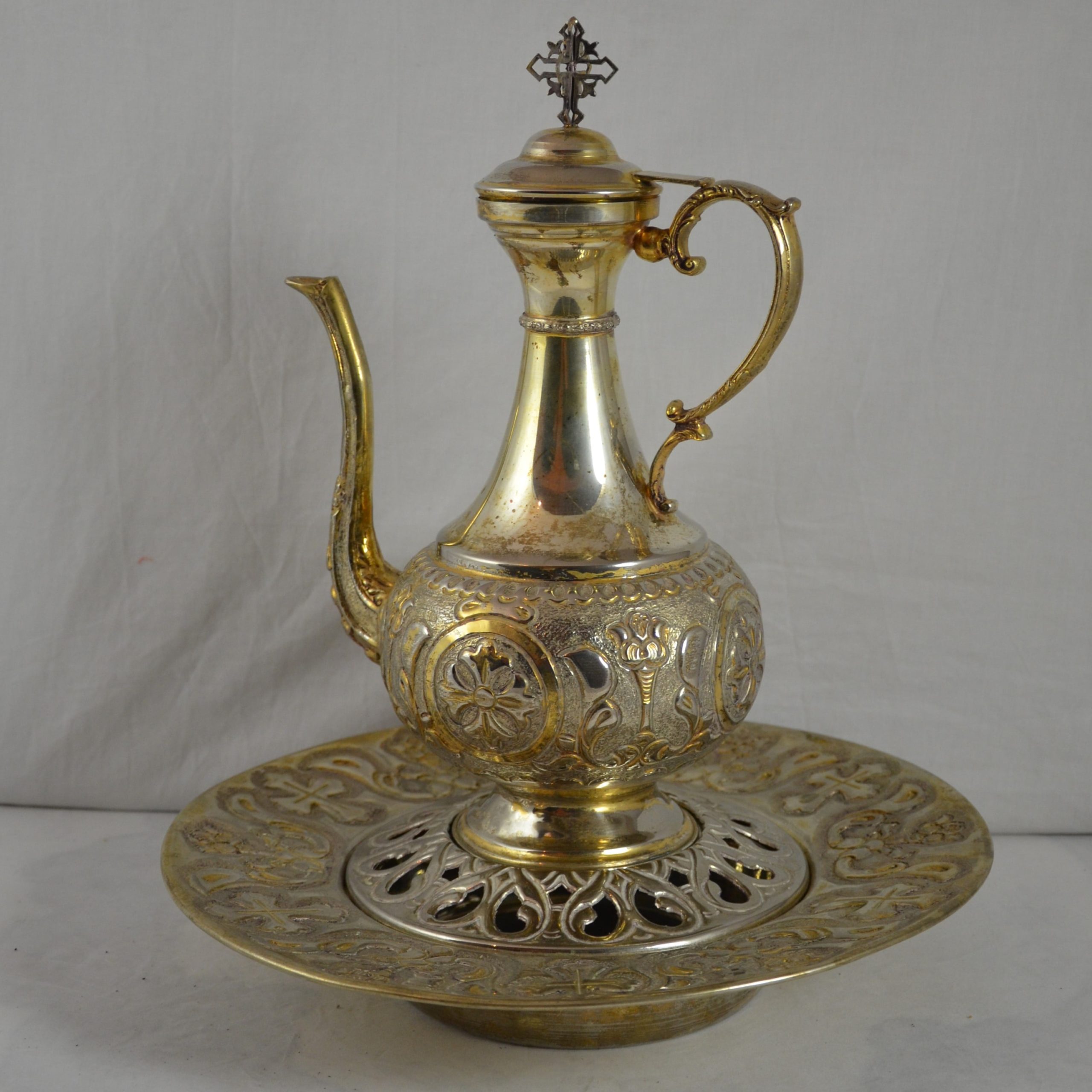
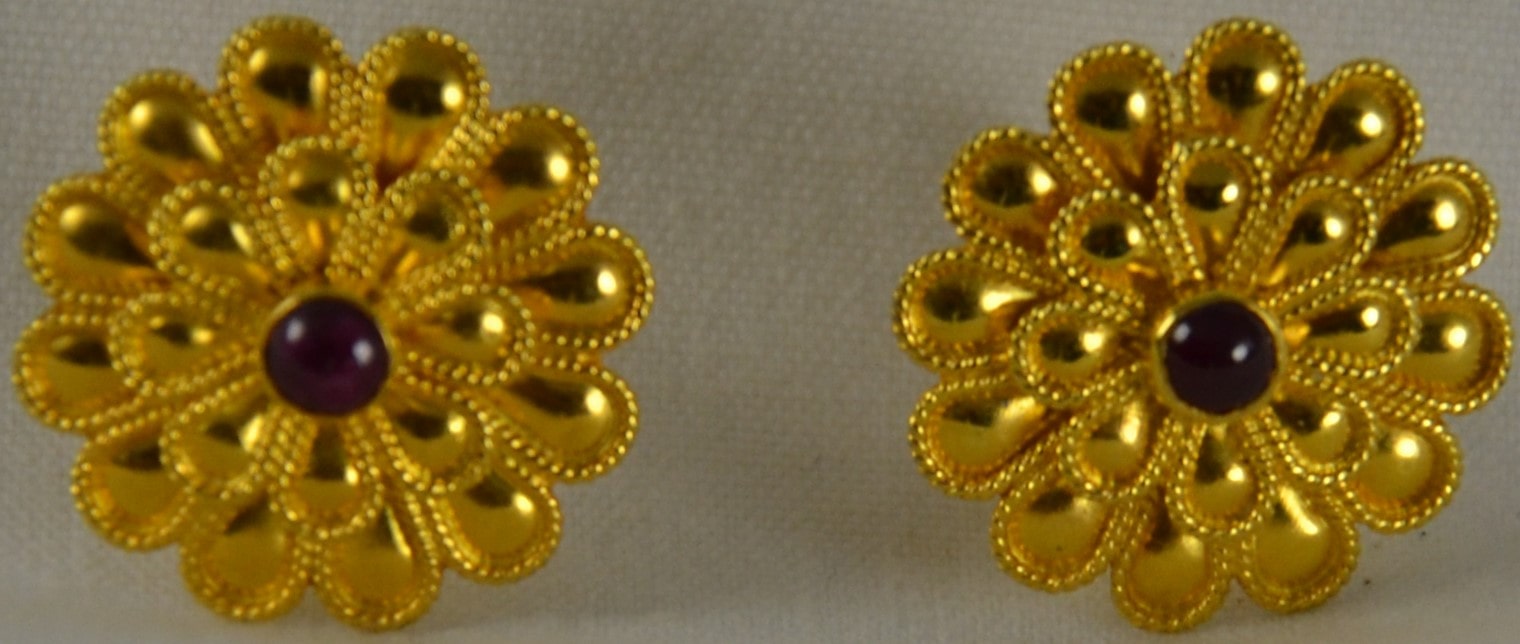
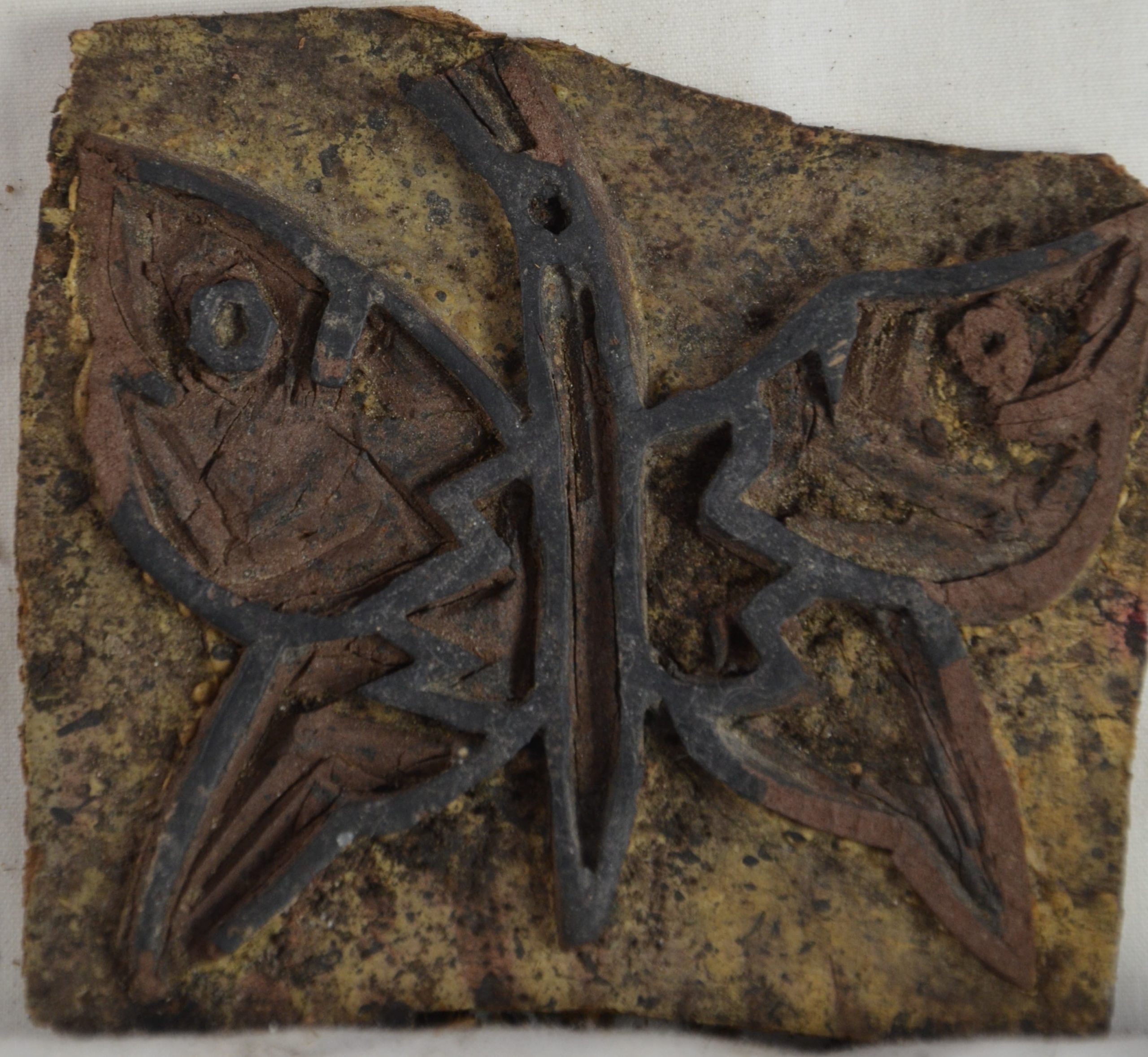
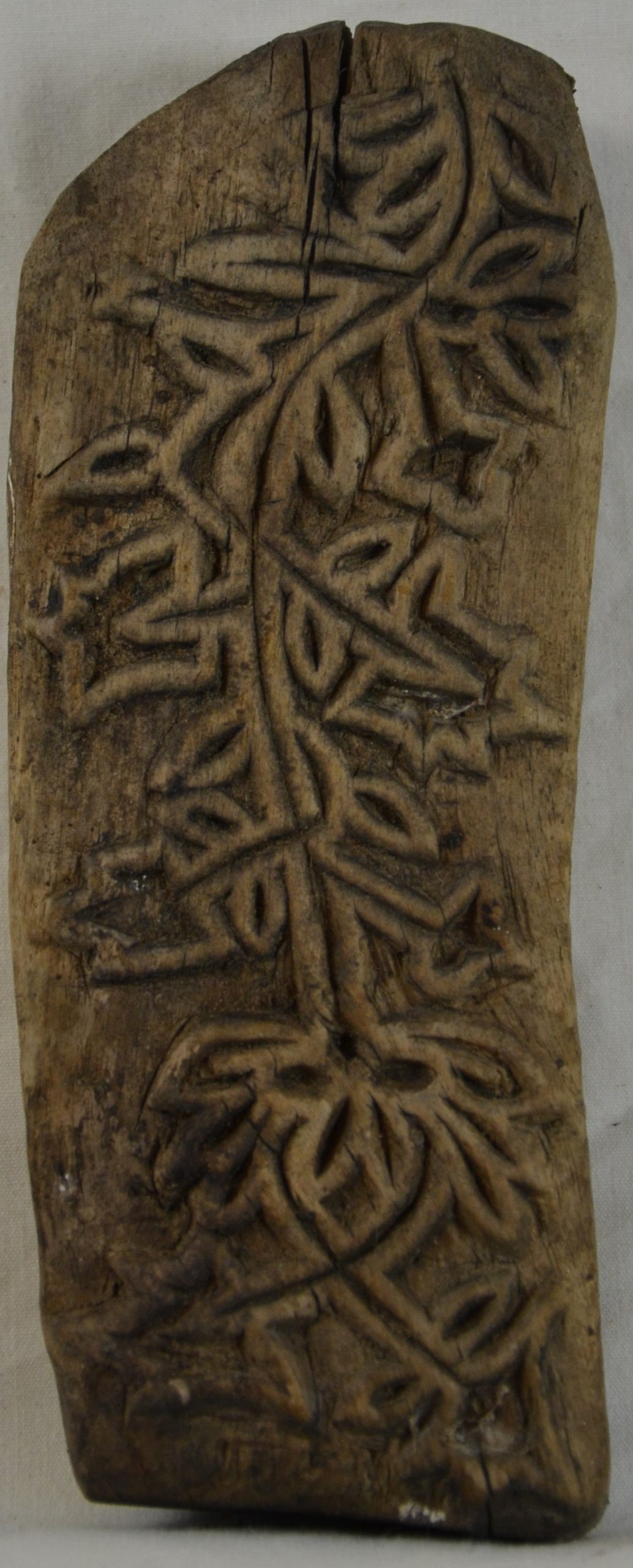
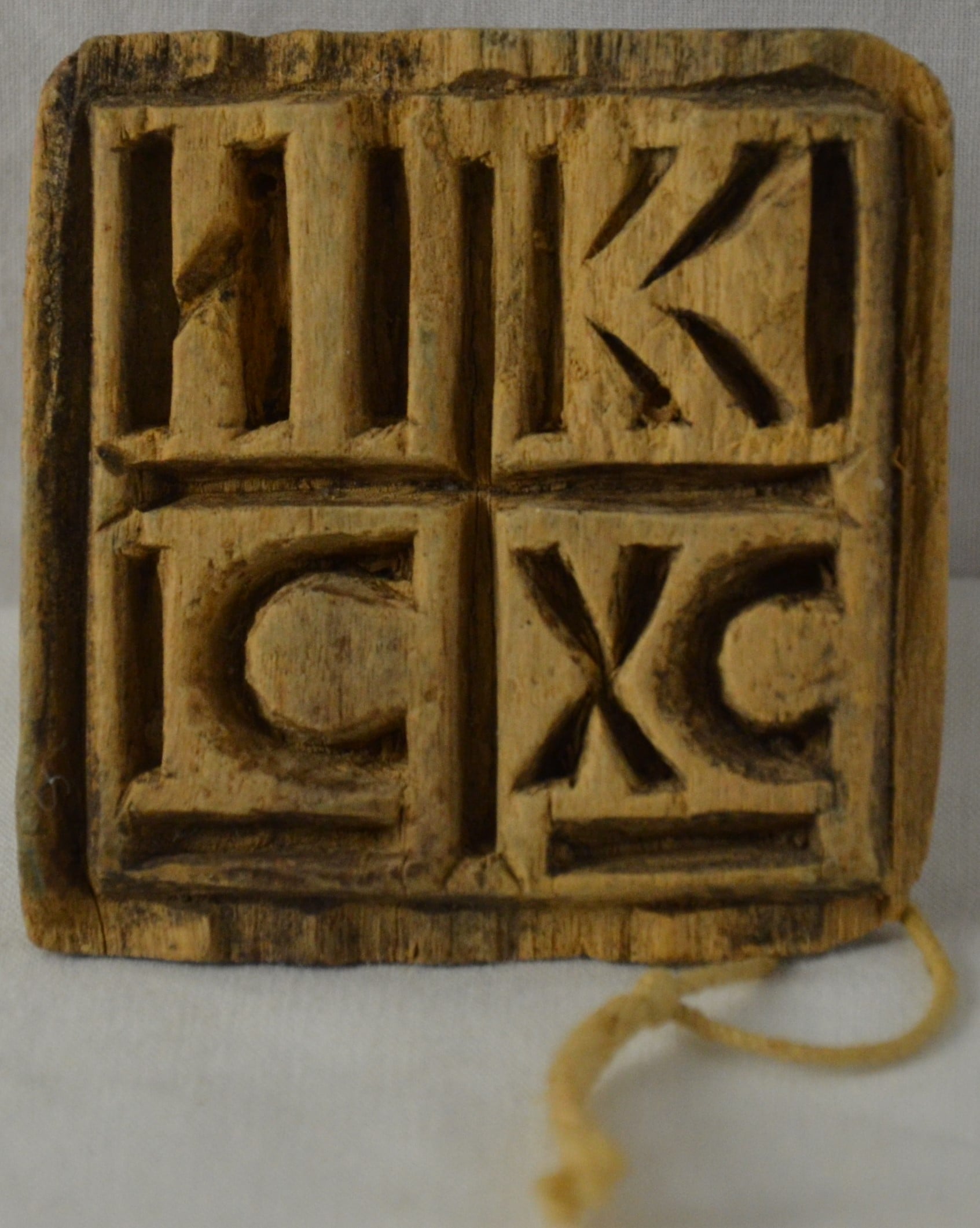
Among the most important ones is the silver-plated icon of the Virgin Mary (of the Finding), a work probably dating from the 10th or 11th century. The icon is directly linked to the founding of the holy monastery, as according to tradition, hermits who lived in a cave in the area found the icon and built the first cells of the monastery, continuing their ascetic life there. The despotic icon of Panagia Skiadeni, dating from the second half of the 19th century, with a silver-sheet cover, is the one that is taken on a procession in southern Rhodes at Easter every year. The collection also includes early printed books, two handwritten codices, a silver-bound gospel, silver liturgical objects and tamata (votive offerings), portable icons, holy vestments, antimensia and other liturgical and folklore textile objects, wooden stamps, and wood-carved objects.
The museum's exhibition is titled “The Natural World in the Worship of the Church”. The significant role of the natural world in the liturgical life of the Orthodox Church is the theme presented through the objects in the collection. Specifically, how material elements are “transformed” and participate in divine worship, while simultaneously “lending” their idealized form for the decoration of liturgical objects.
The exhibition tour is experiential, featuring multi-sensory displays and a comprehensive guide for visually impaired and blind individuals. Visitors engage their hearing, smell, and touch, as throughout all rooms there are tablets with headphones, discovery drawers, and a scent table. Specifically for blind individuals, there are tactile diagrams and explanatory texts in Braille, connected with an embossed strip.

Three-dimensional renders of objects from the collection of the holy monastery of Skiadi:
#Copy of the Icon of Panagia Skiadeni #Silver-bound Gospel #Epimanikion