

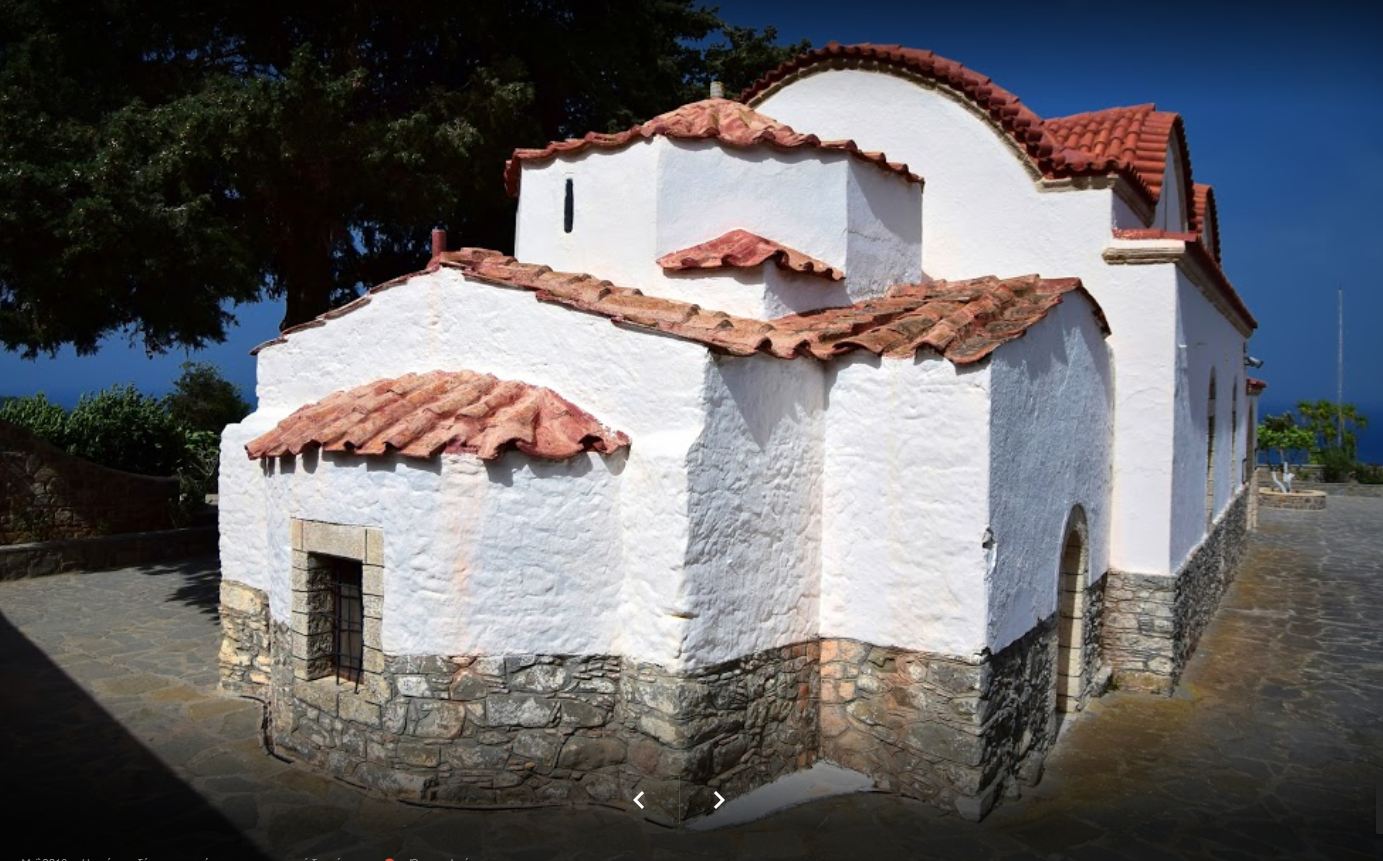
Holy Monastery of Skiadi – Historical information
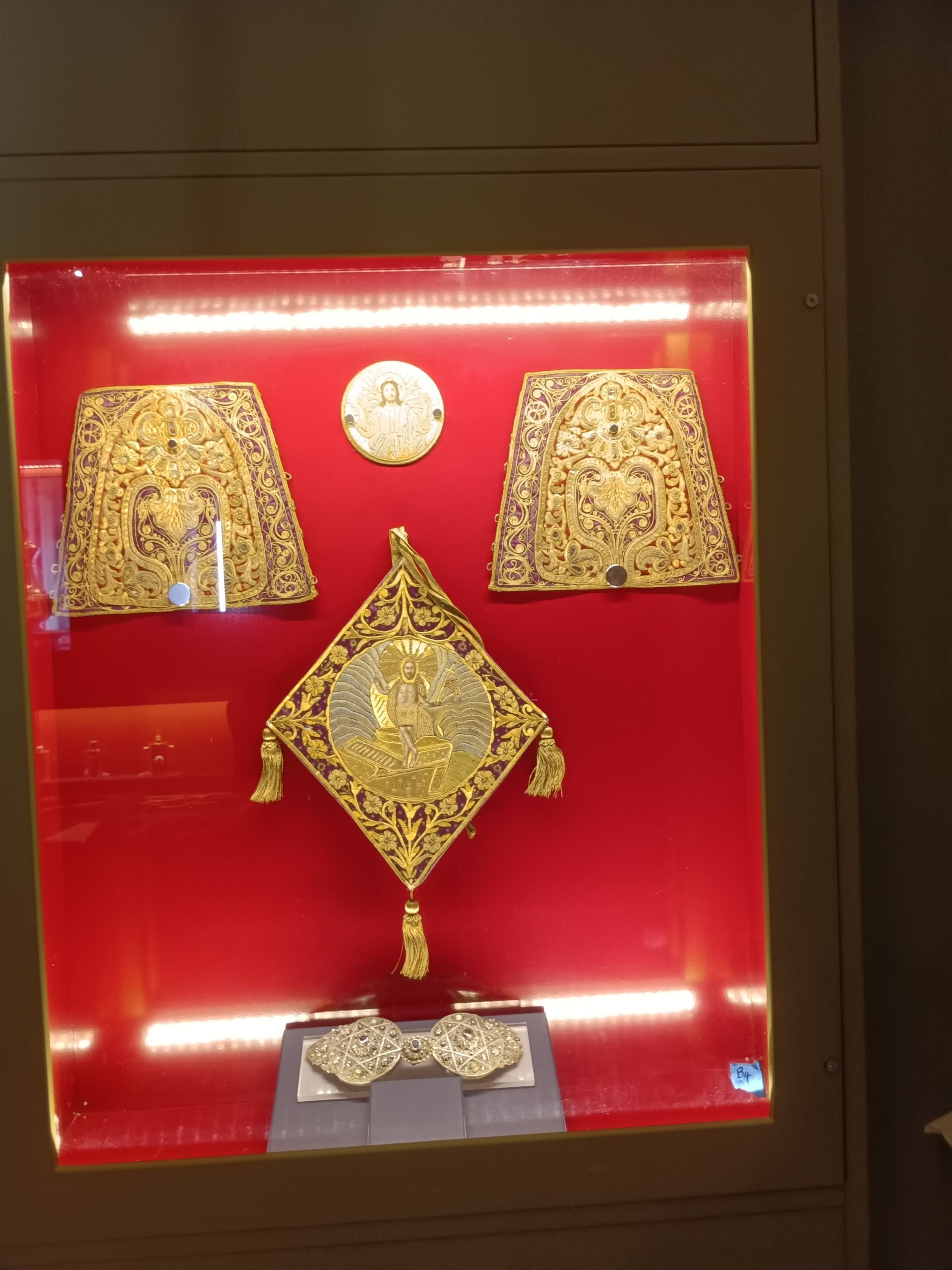
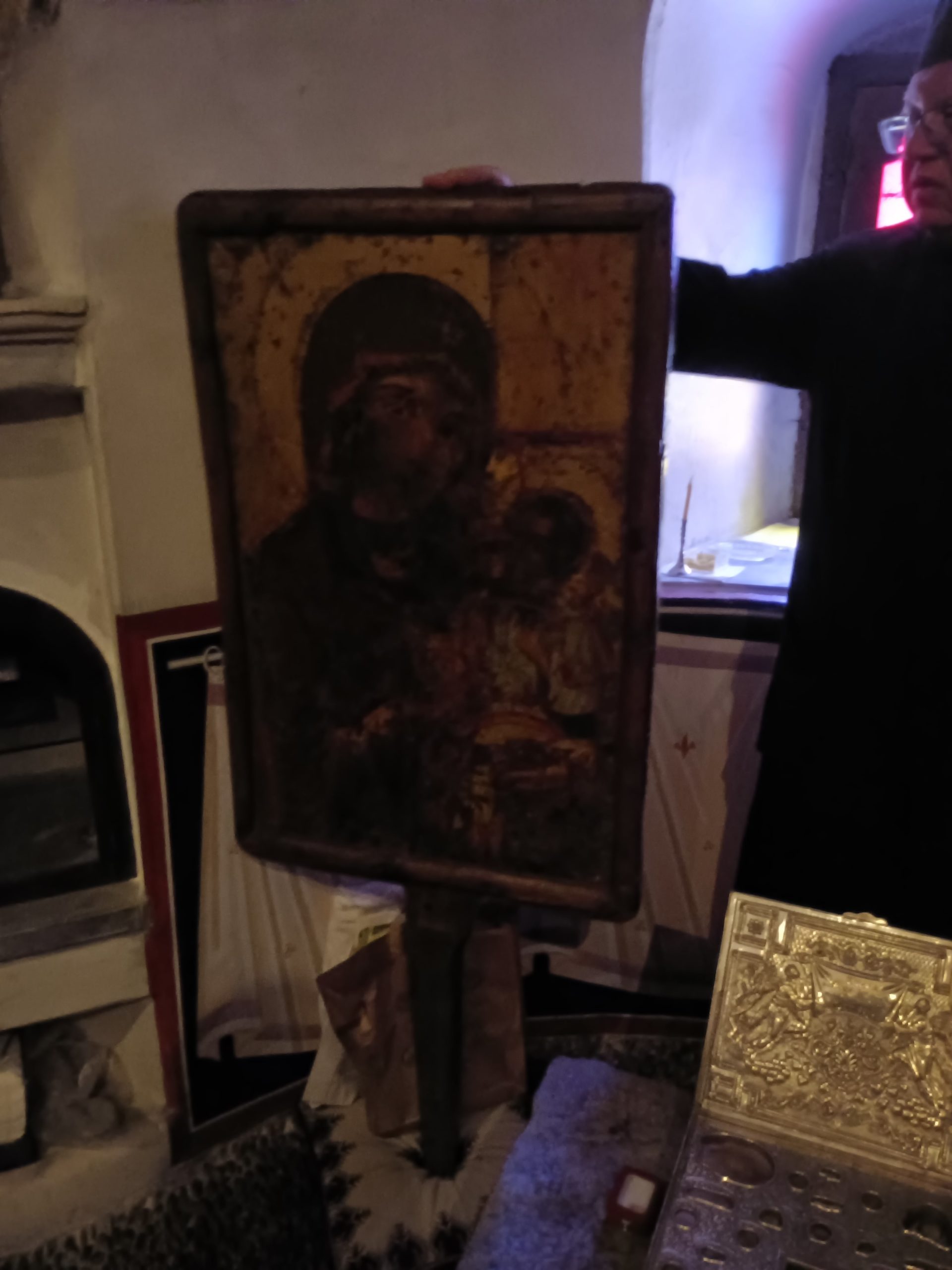
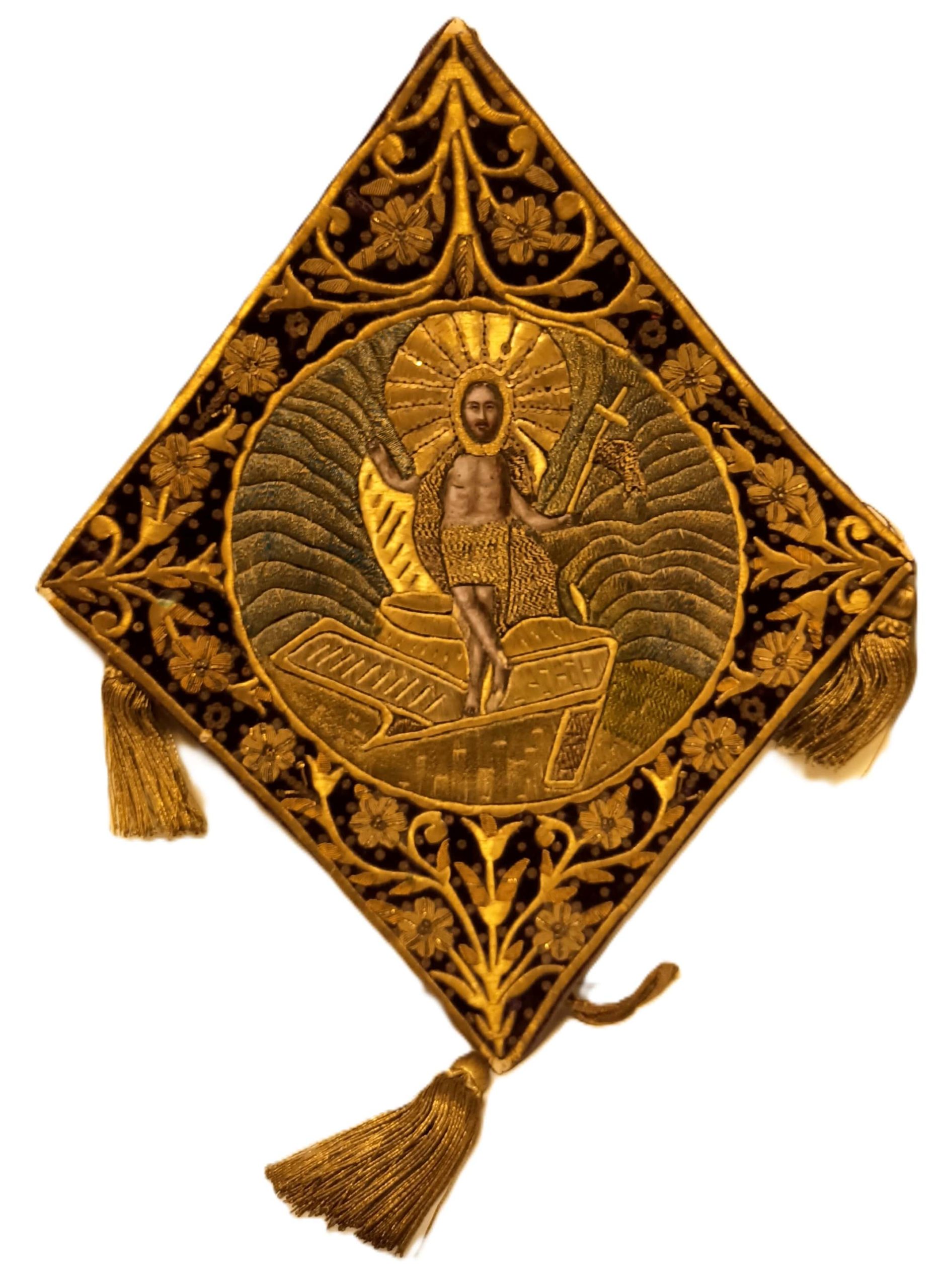
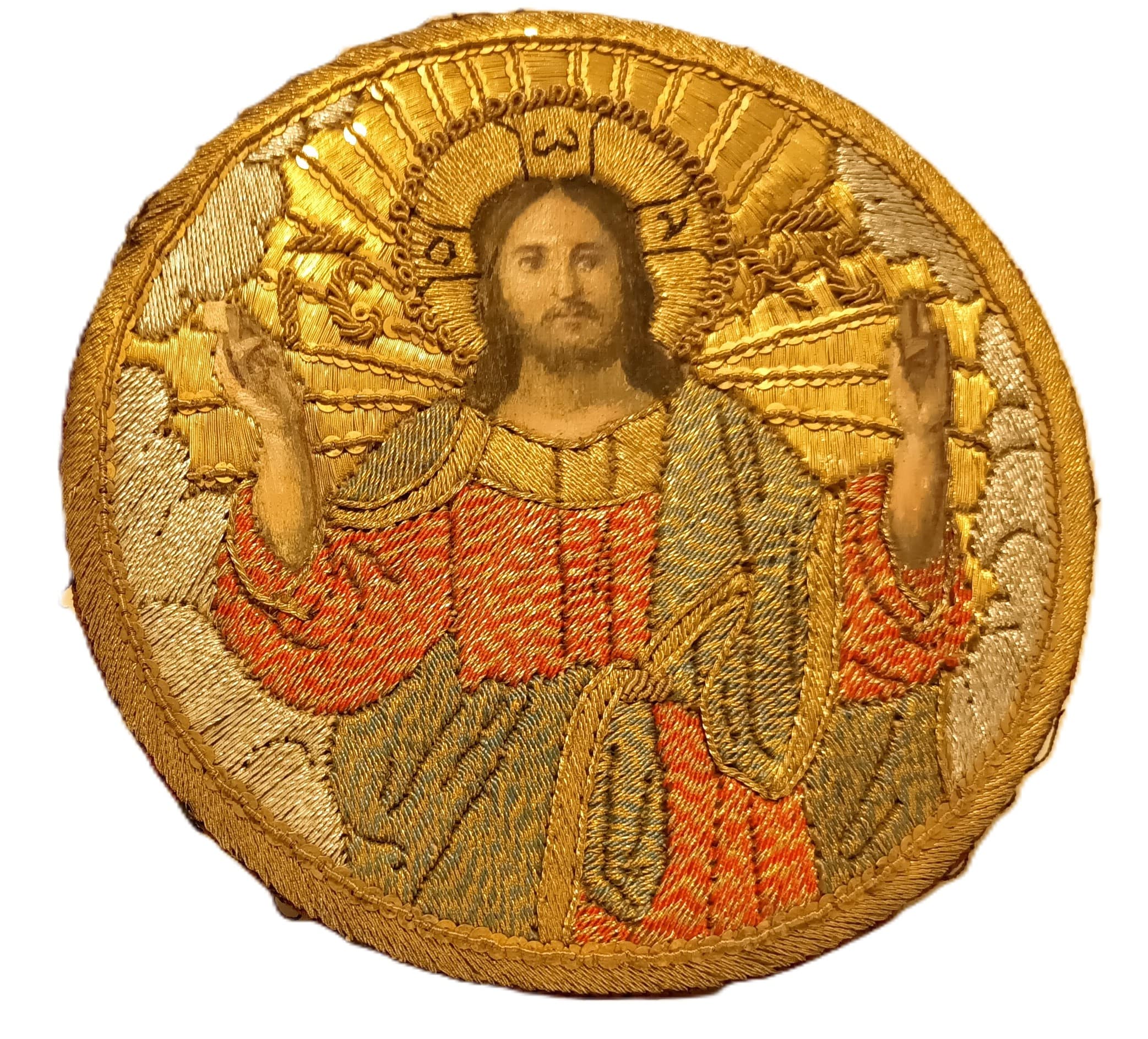
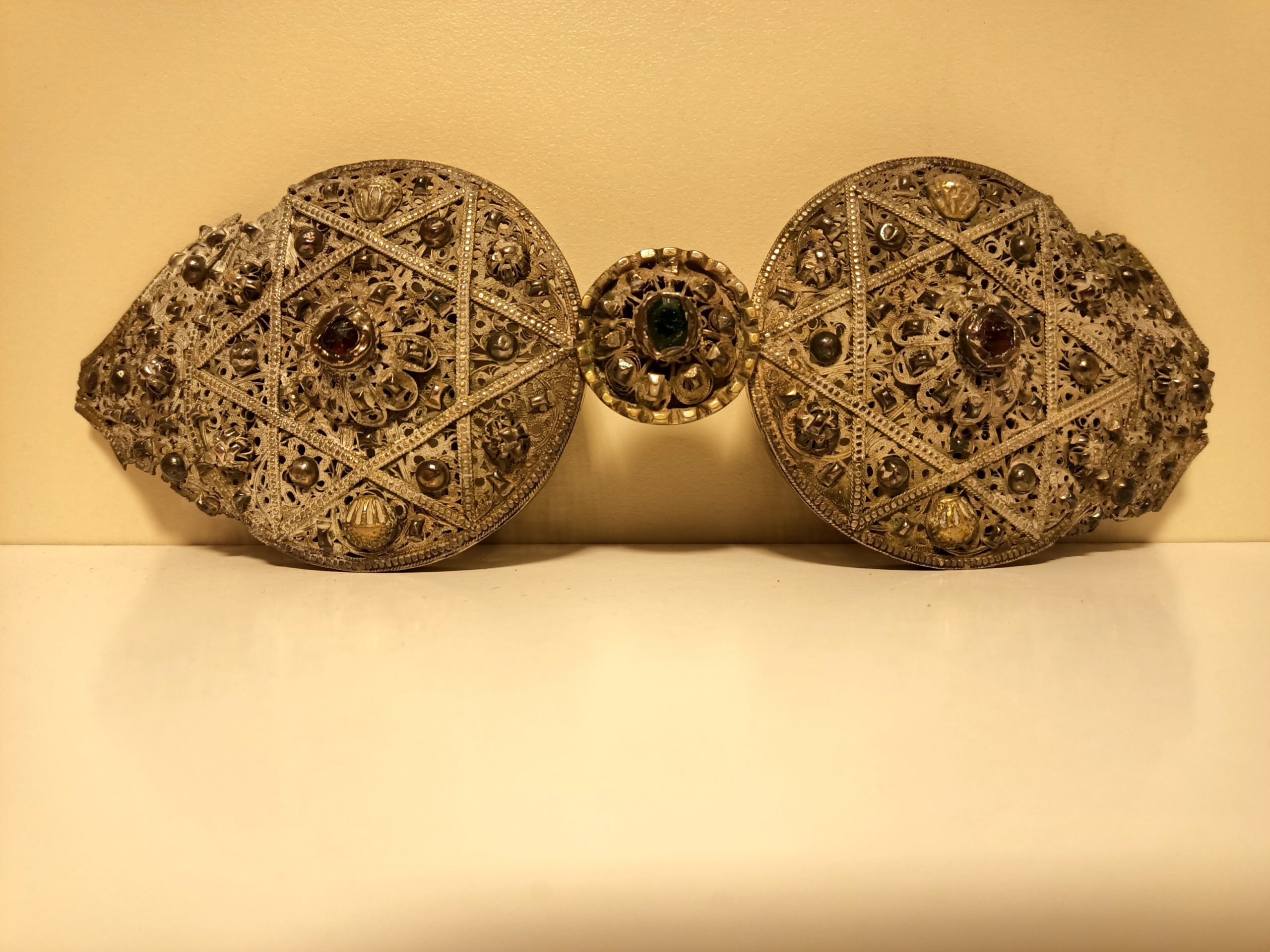
The holy monastery of the Nativity of the Most Holy Theotokos of Skiadi or “Panagia Skiadeni”, as it is more widely known, is one of the most important monuments and pilgrimage sites of Rhodes. Based on the existing relics, oral traditions and the large plots of land it possessed, it appears that the monastery of Panagia Skiadeni was wealthy and well-organized, with an active presence in the ecclesiastical and social life of Rhodes.
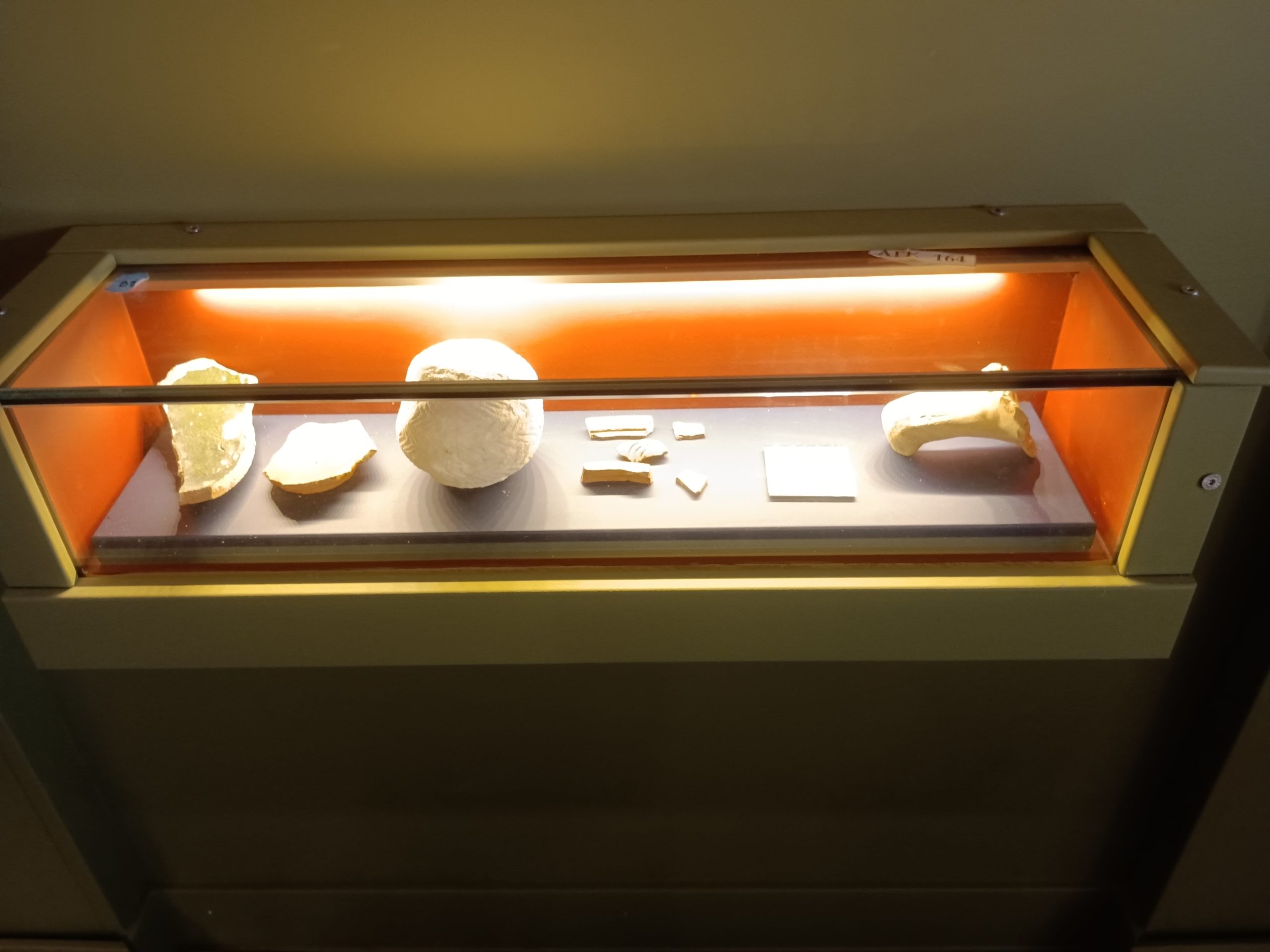
The Ecclesiastical Museum of the Holy Monastery of Panagia Skiadeni is the fourth node of the Network of Christian Museums and Visitable Monuments of the Holy Metropolis of Rhodes that has been implemented. It is located in the southwestern part of the island, near the village of Mesanagros.
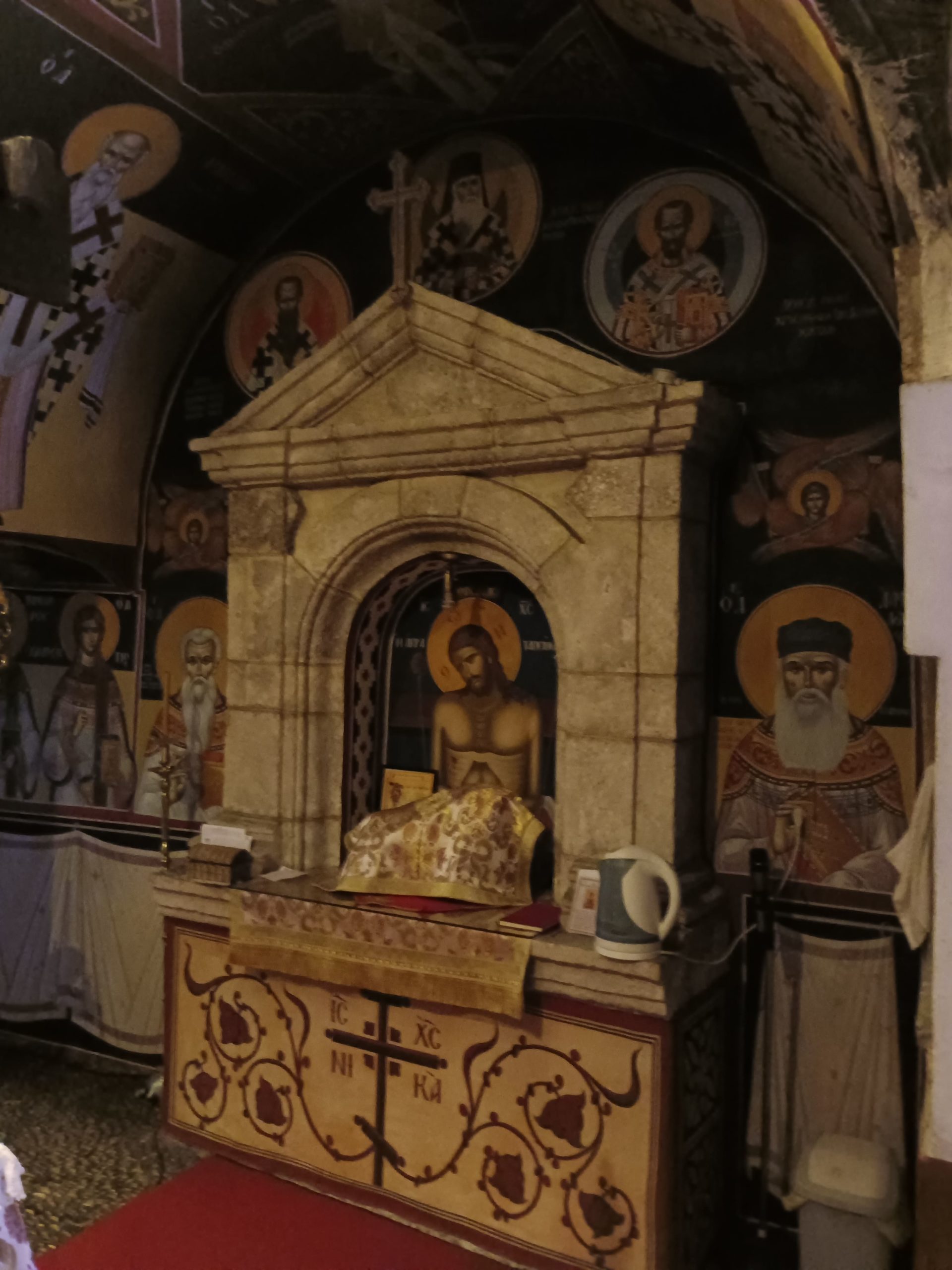
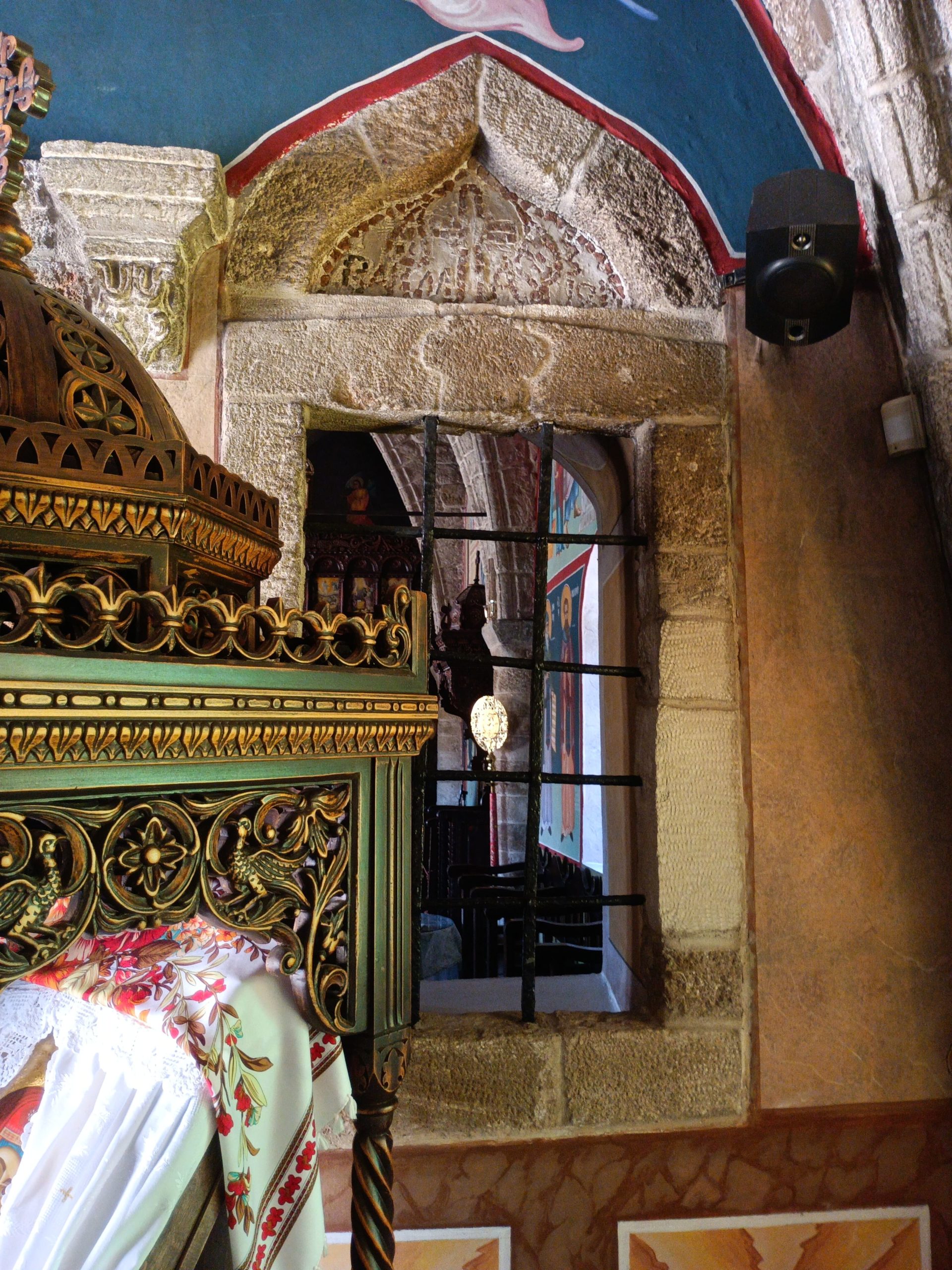
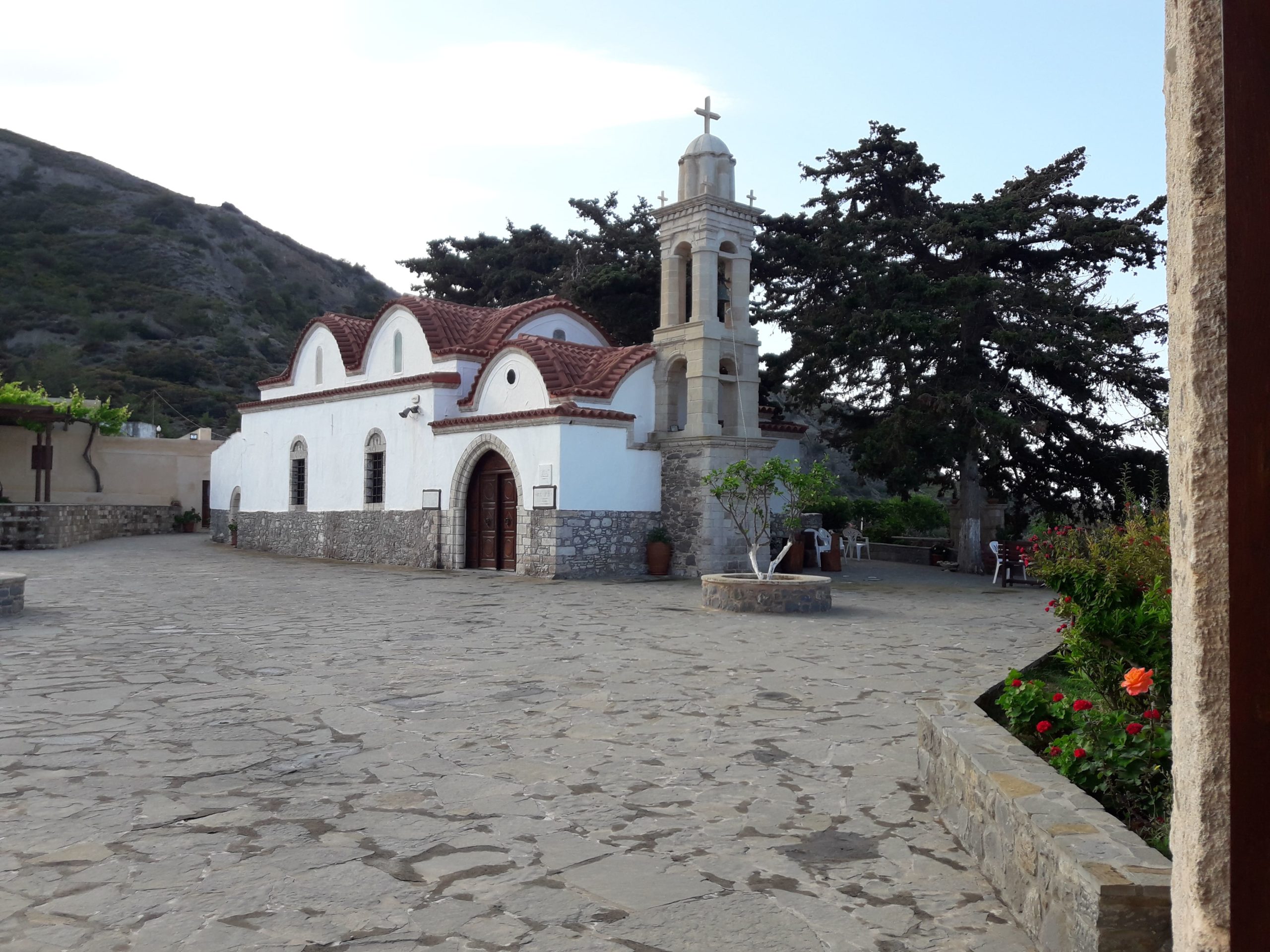
During the early Christian times, there was a basilica on the site of the monastery. Remnants of that church were visible around the current catholicon before the churchyard was paved over. For unknown reasons, that church was destroyed. In the Byzantine period during the 12th to 13th century, a new church of small dimensions was rebuilt according to the domed free-cross style. The Byzantine church, which today constitutes the Holy Vema of the new catholicon, is decorated in its entirety with frescoes dating back to the 17th century, which are preserved in fairly good condition. On its north side it was decorated with frescoes dating back to the 14th century, which have been removed.
The current catholicon of the monastery was built in the 18th century. This newer church is spacious, rectangular, with cross-vaults. The narthex and the bell tower were added in 1901.
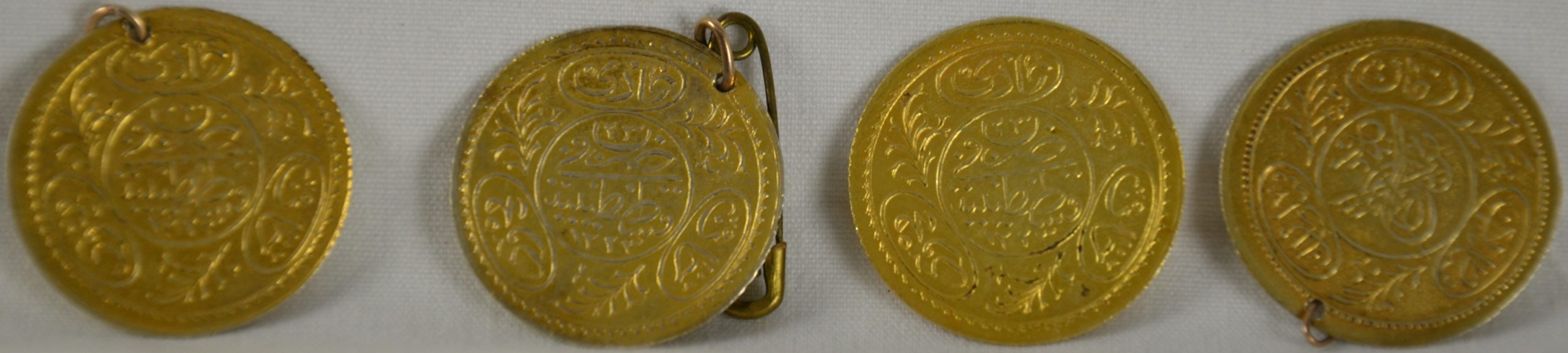
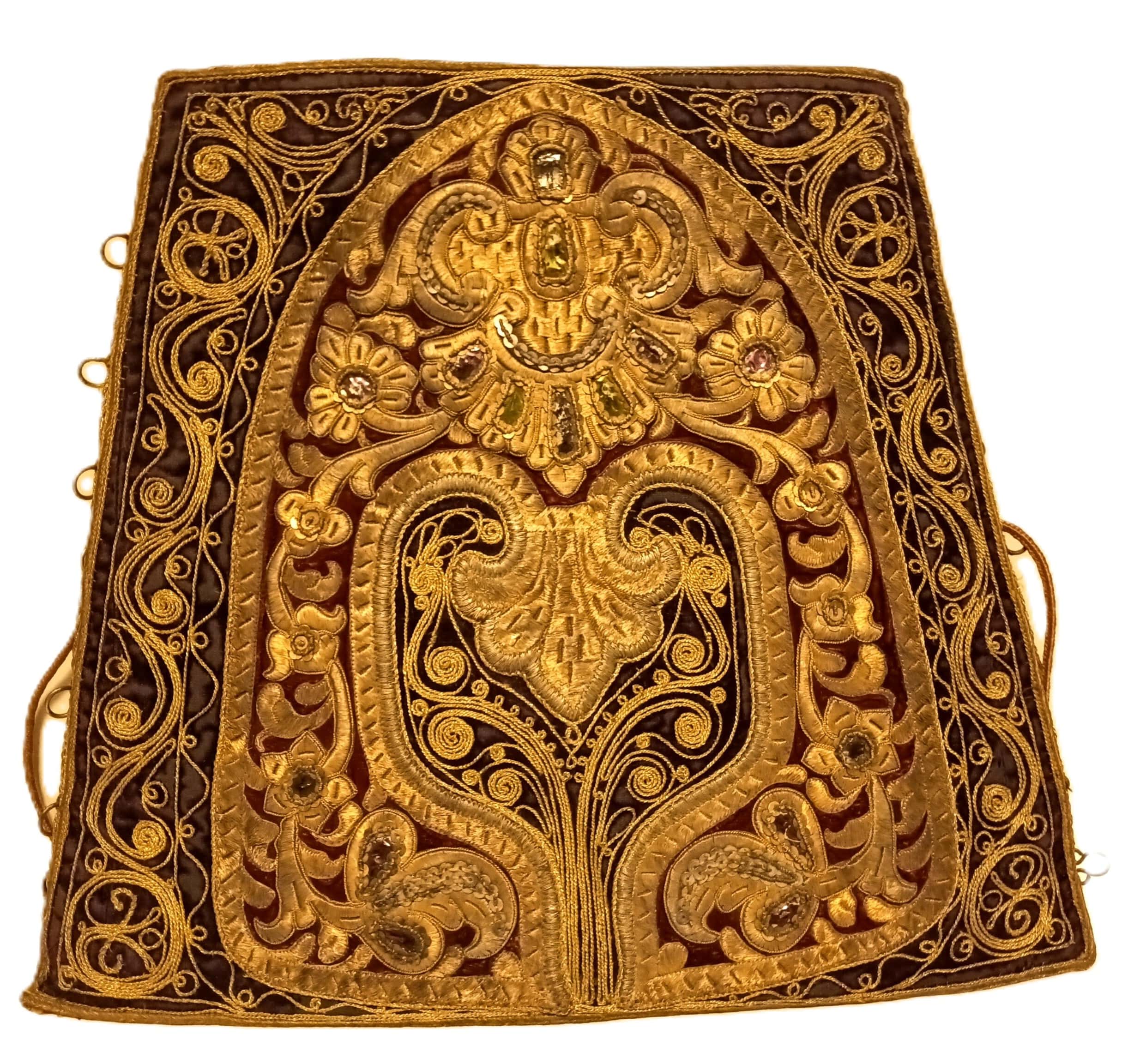
During the 17th and 18th centuries, the monastery of Skiadi flourished financially due to the large plots of land it owned in the area, and dedications and offerings from the people of Rhodes (oil, wax, etc.), and shipowners from Chalki (construction of buildings, silverware, icons). During the Ottoman occupation, it served as a place of refuge for persecuted Christians, maintained a school and carried out important social and charitable work.
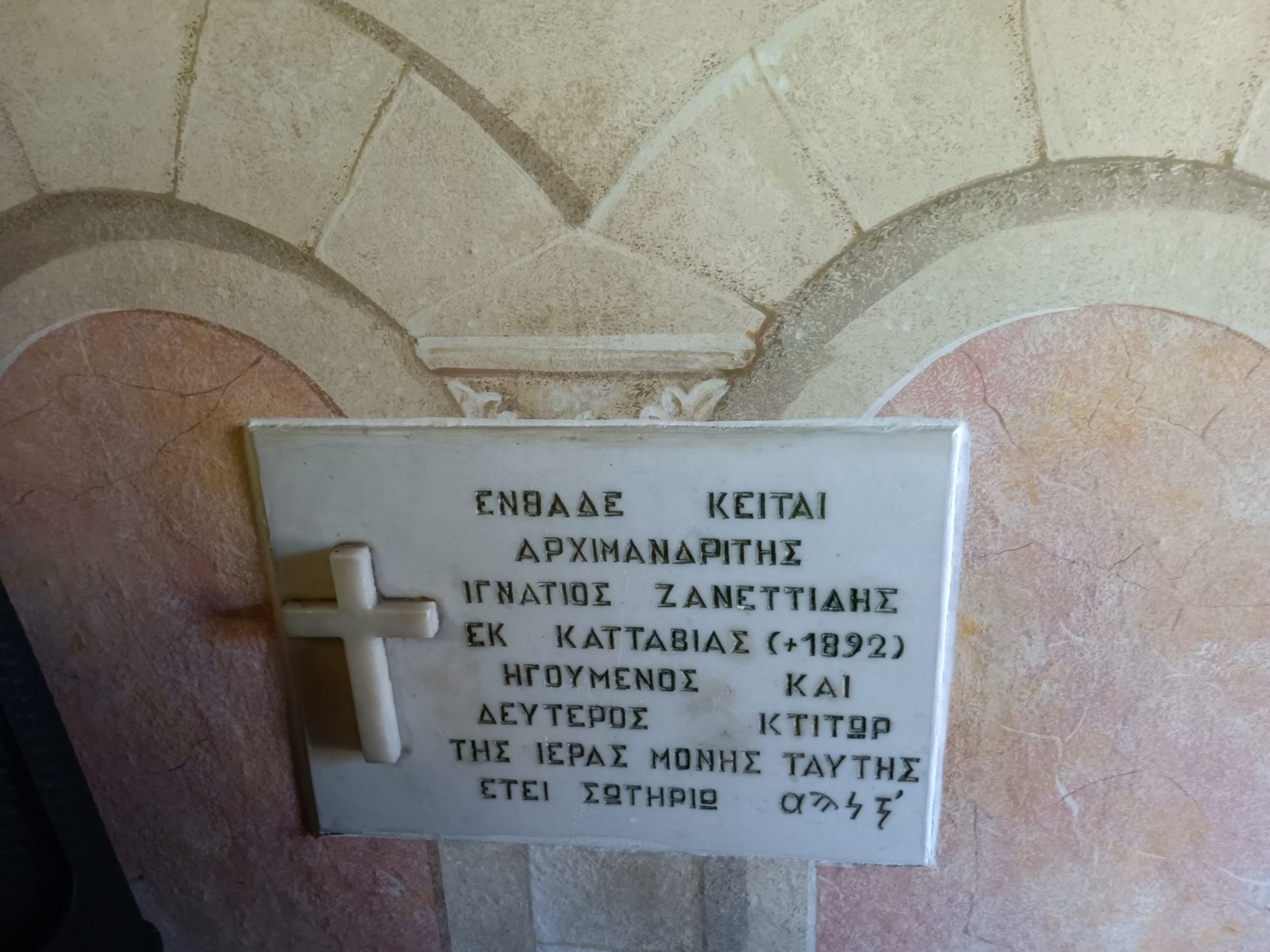
During the abbotship of Archimandrite Ignatios Zannetidis, at the end of the 19th century, the monastery reached its heyday. . The building of the current catholicon was completed (1861) and a series of renovations were carried out, while new buildings were constructed concurrently so as to meet the increased needs of the monastery. It is noteworthy that during this period the monastery operated as a place of hospitality and assistance for unmarried pregnant women and their infants, where women from all over the Dodecanese and beyond found refuge.
Recent history:
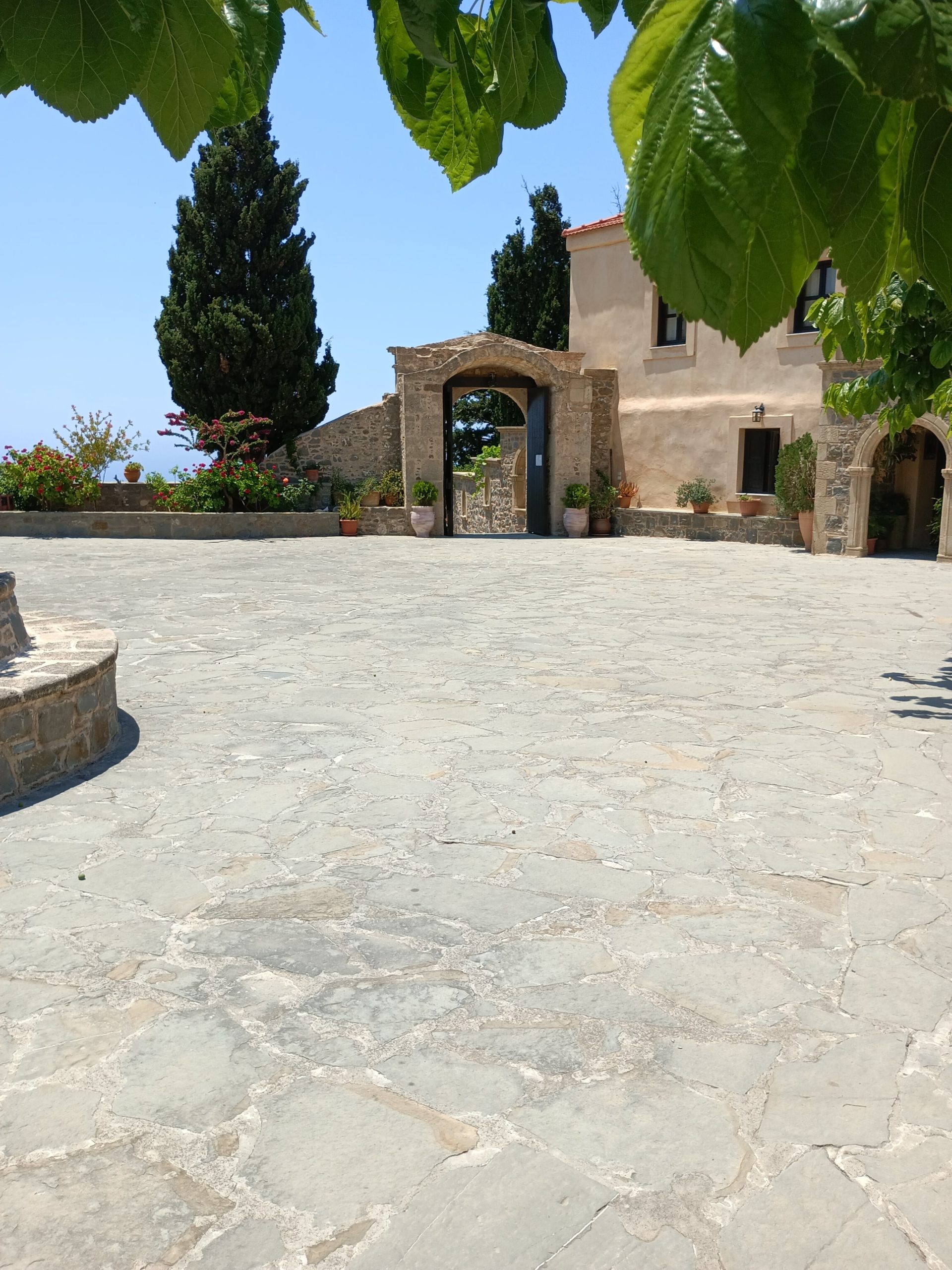
The monastery complex took its final current form in the beginning of the 20th century. It consists of the catholicon in the south and the churchyard in the center. A series of continuous ground-floor buildings containing both functional areas of the monastery and guestrooms or “ontades” for the overnight stay of the “panigyrtzides” – pilgrims are located on the north and northwest.
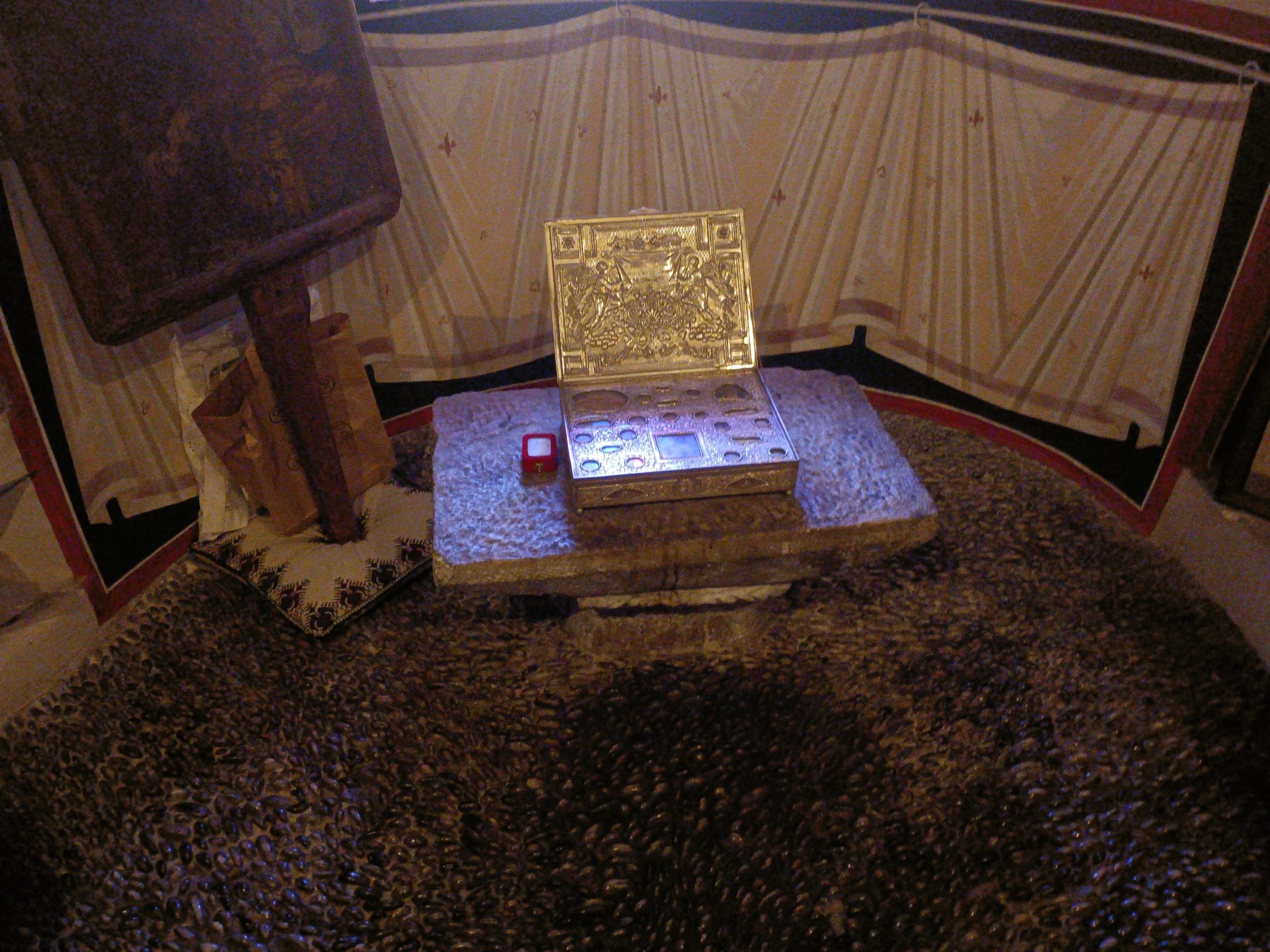
During the years of German occupation, the monastery suffered serious damage and looting by the Germans. In 1945, members of a detachment that arrived at the monastery in search of an Austrian deserter returned. The same night and removed all the valuable heirlooms and offerings of the monastery at gunpoint. The following day the Abbot, Archimandrite Eugenios, moved the icon of the Virgin Mary with what was left of the heirlooms and offerings to a safe place and the monastery was abandoned. It reopened after the liberation of the Dodecanese and its incorporation into the Greek state.
Panagia Skiadeni celebrates on September 8, on the feast of the Nativity of the Virgin Mary. In the past, the faithful pilgrims were called "trimerites", a name which signified that they stayed overnight at the monastery for three consecutive days on the feast of the Virgin Mary. Pilgrims from all over Rhodes, as well as Chalki, would arrive at Skiadi, and the feast would begin after the vespers of the eve. The songs were mainly addressed to the Virgin Mary, with improvised prayer-couplets. The women who wanted to beseech the Virgin Mary for her help would sit inside the church and would wake up at dawn expressing their prayers/requests by singing. The next morning after the liturgy, the feast continued. Today, the feast begins on the eve of the feast and continues up to the next day.