

"Patterns and natural materials used in the construction of religious objects"
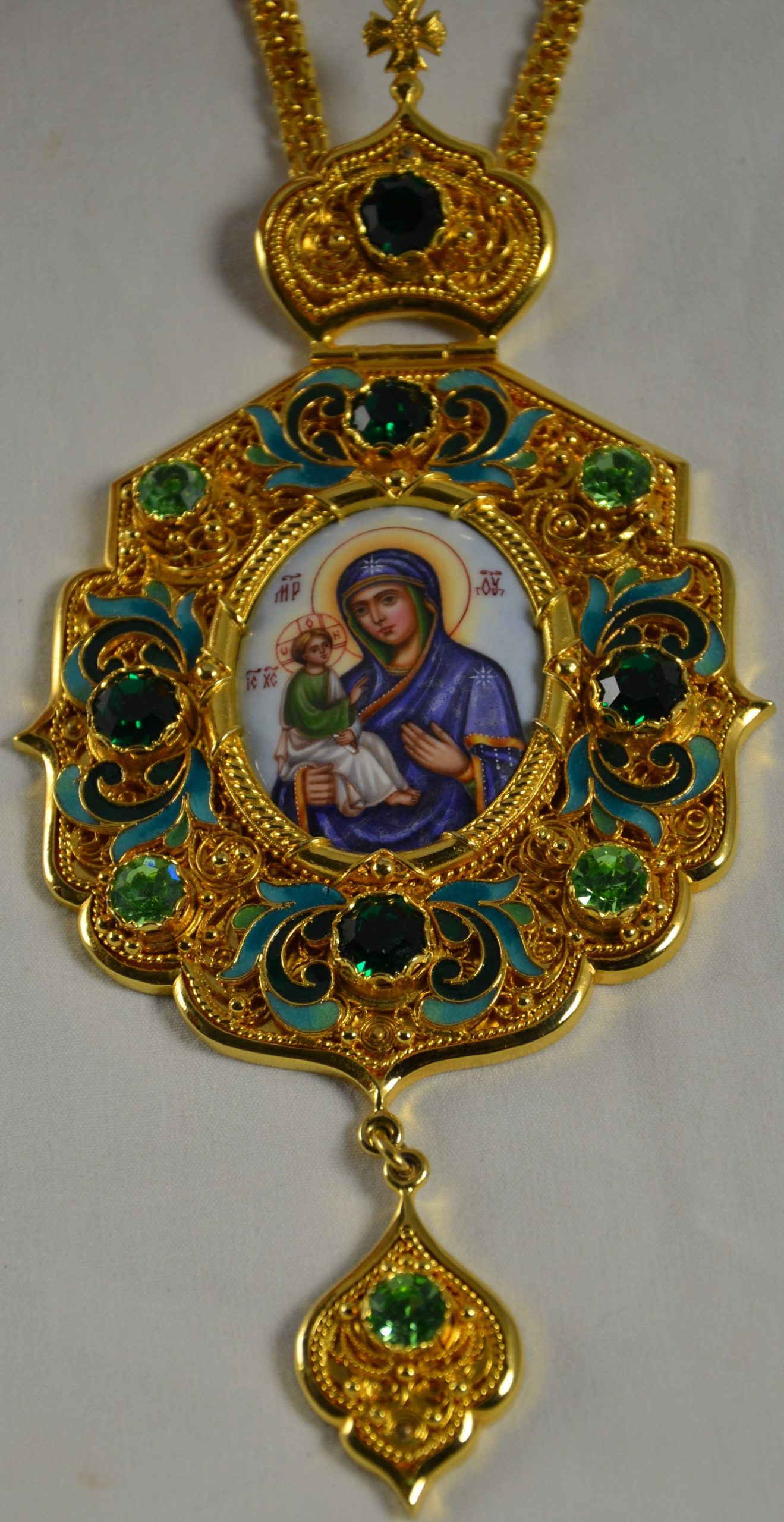
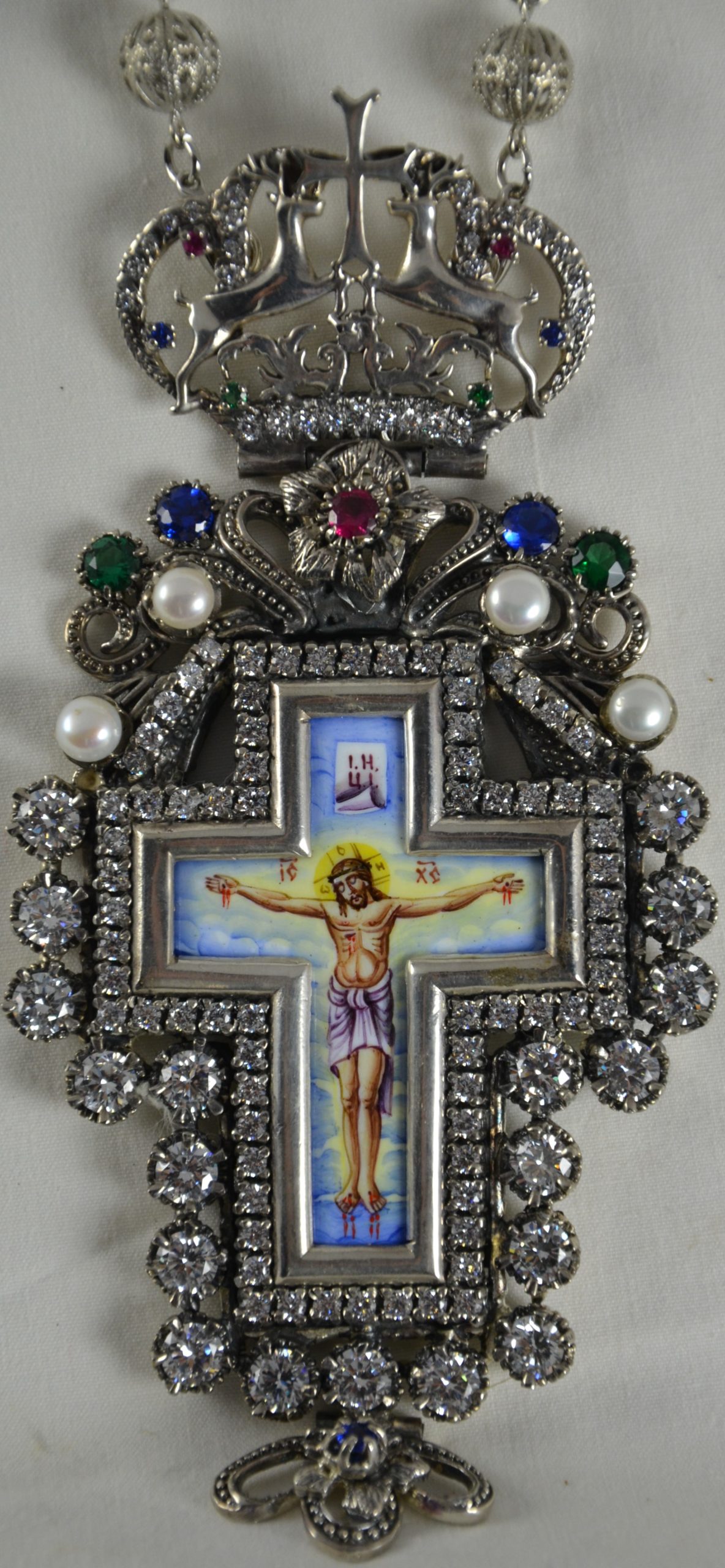
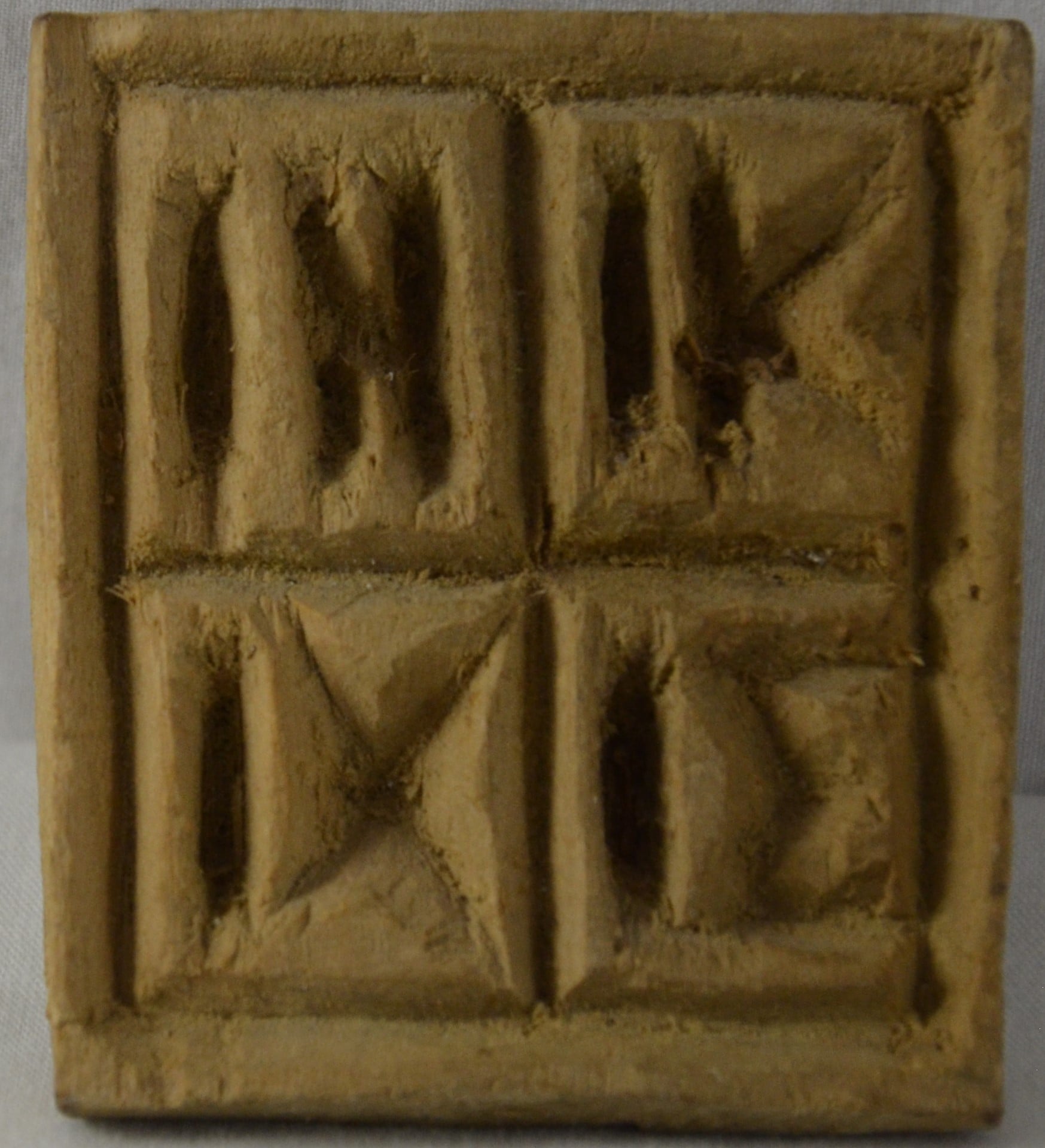
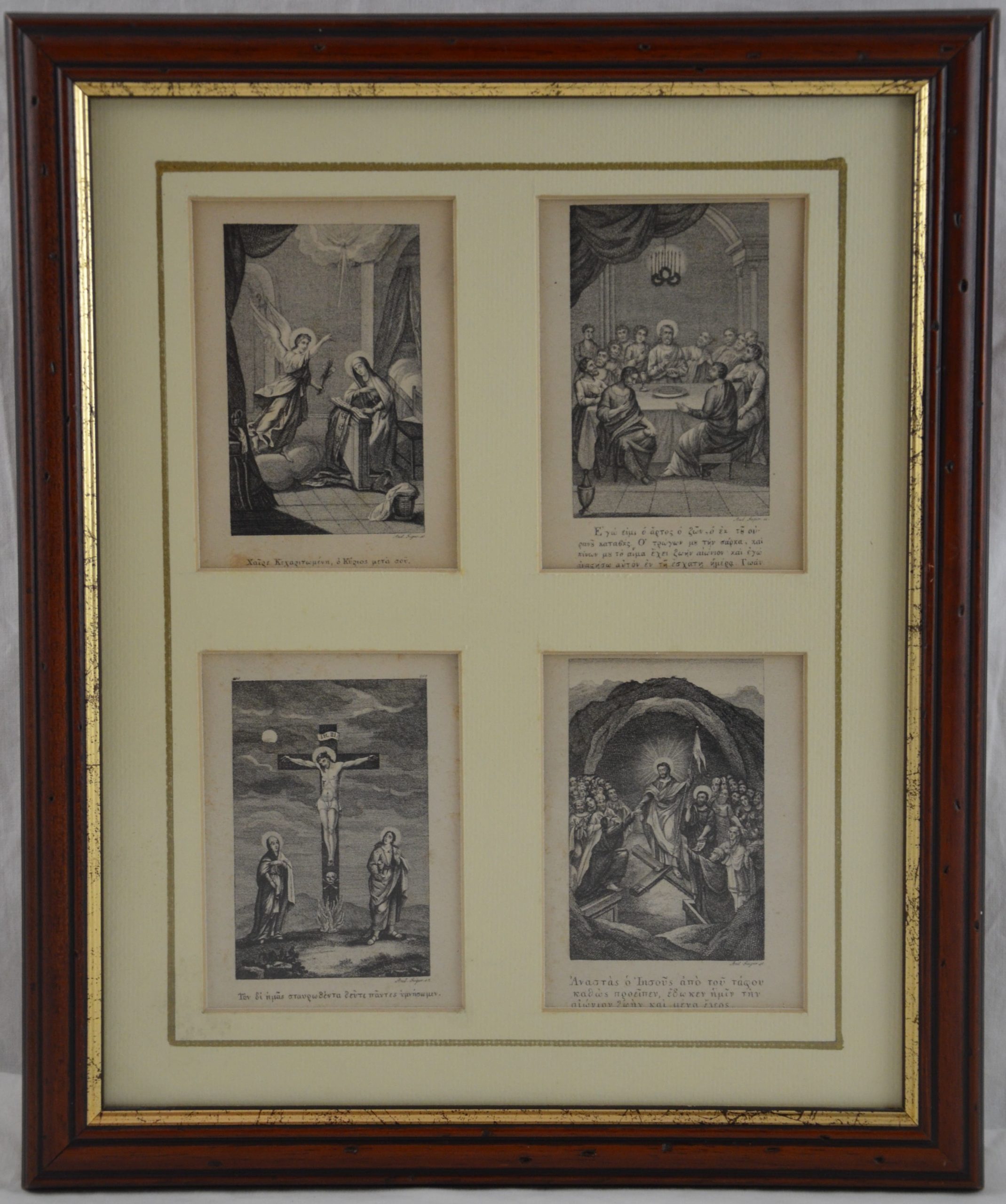
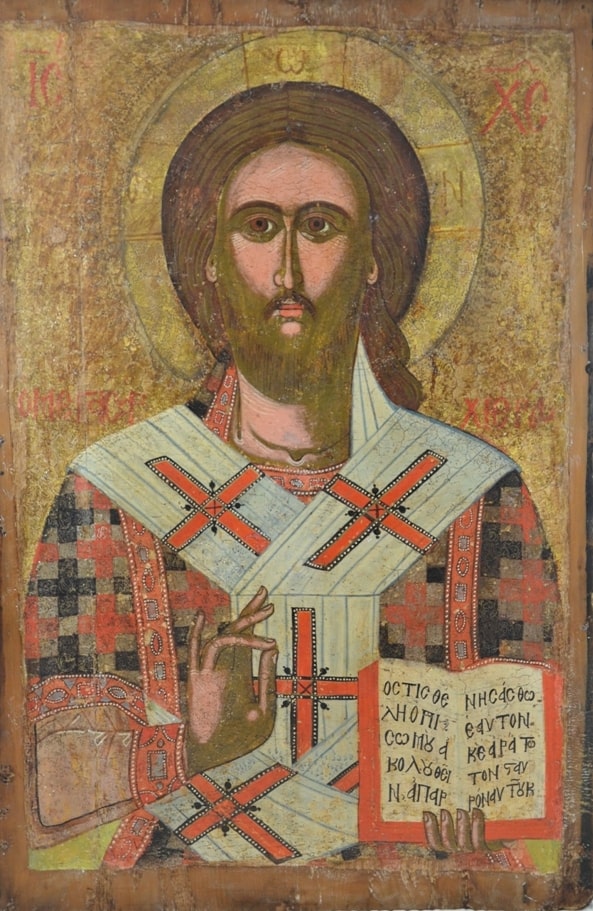
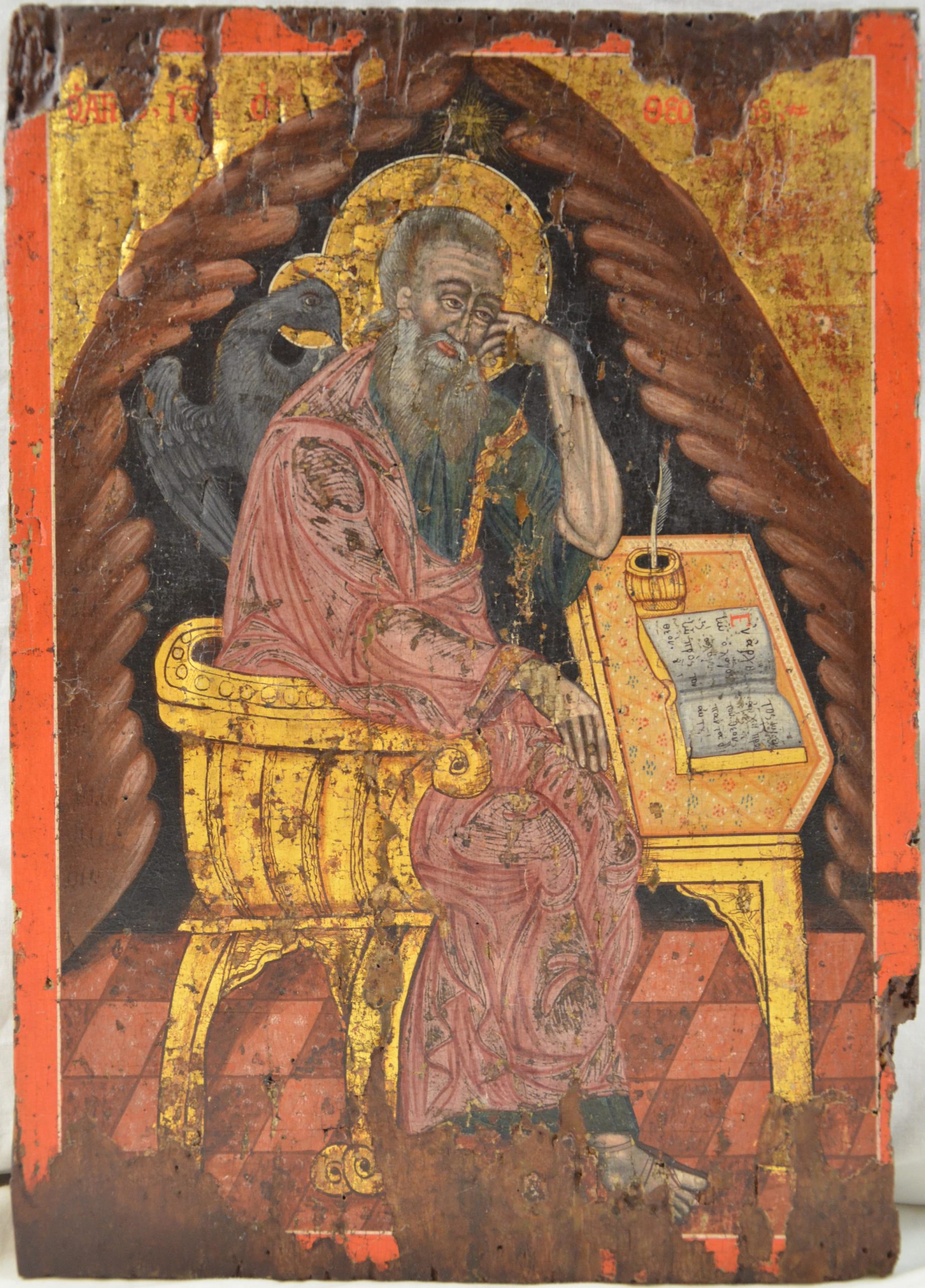
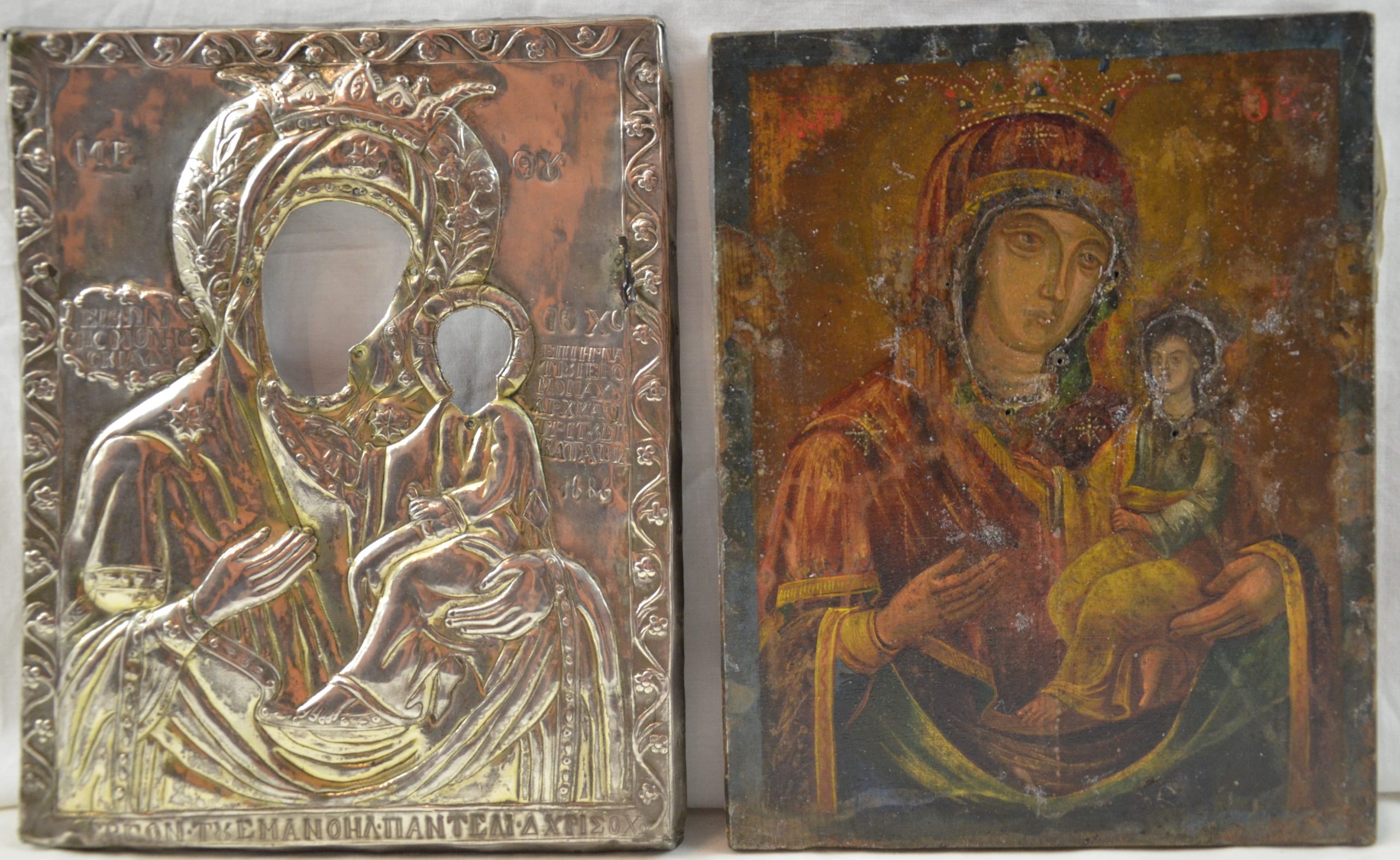
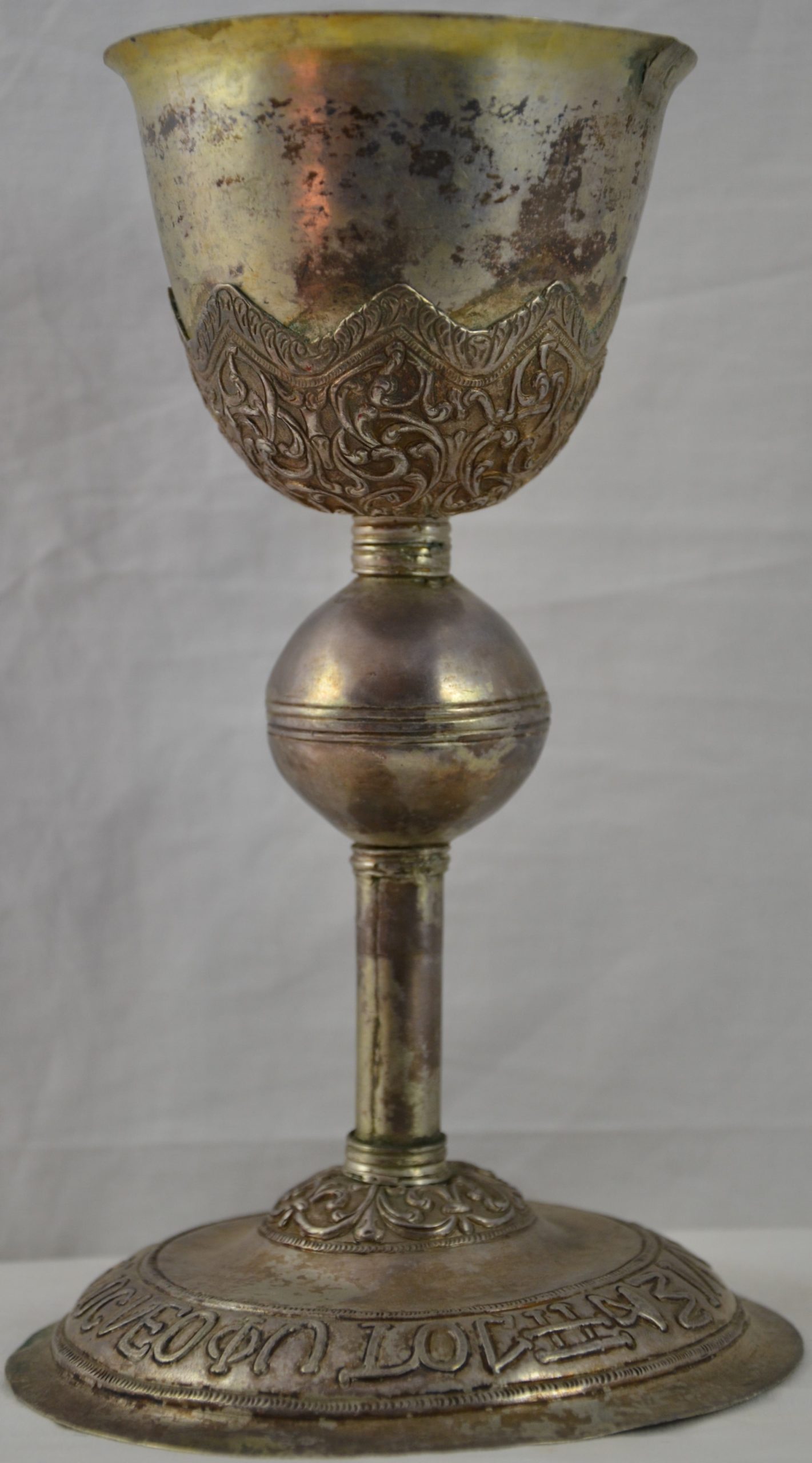
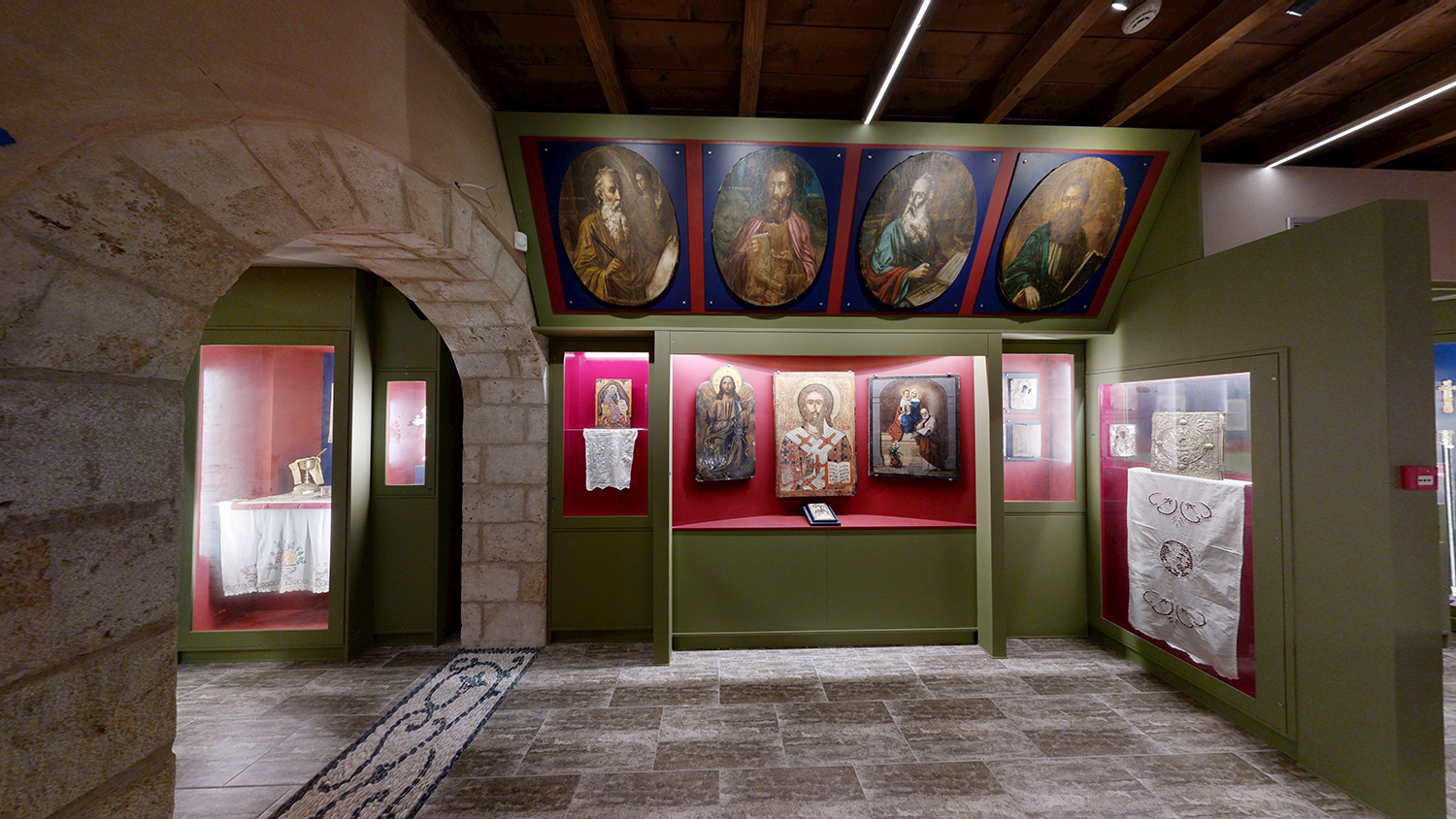
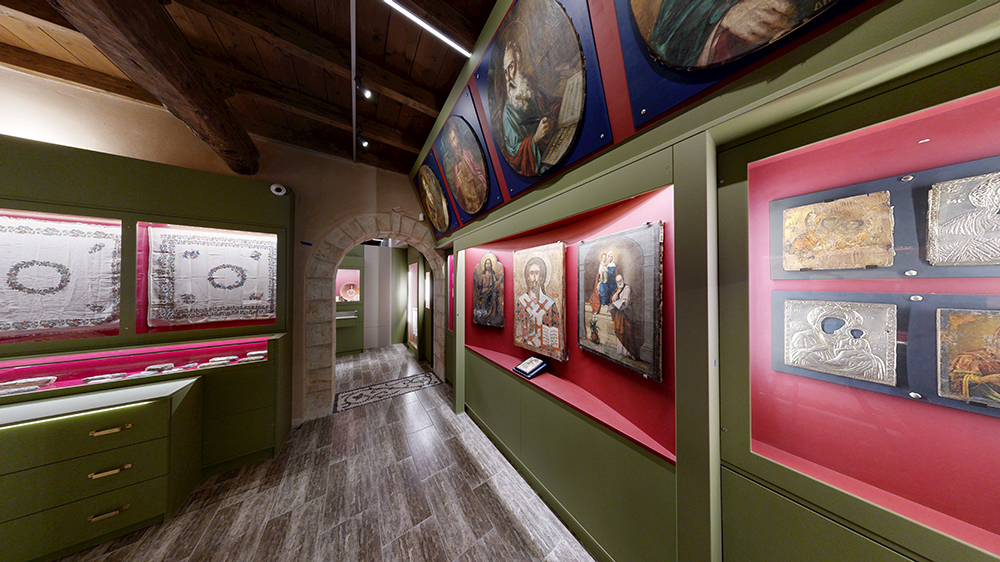
Precious materials and metals, as well as refined raw materials are the materials used for the construction of objects, and the decoration of churches by artists and craftsmen specialized in sacred arts. This exhibition section includes indicative examples of ecclesiastical and folk art, which are interesting both for the beauty of their craftsmanship, and for the symbolisms and the richness of their decorative themes. Their majority is characterized by the prevalence of the naturalistic element in the decoration, either as a dominant theme, or as a framing of sacred figures and scenes from the New and Old Testaments.
Metal liturgical objects, icons, paper material and embroideries that tell the story of the church's salvation messages and the principles of the Orthodox Doctrine, all reflect the human soul and the need to pay grateful respect to the Creator.
This section includes four subsections:
Silver is the precious metal used par excellence in the making of church artifacts and church equipment, in their decoration, in the covers of sacred icons, and more rarely as a metal thread in heavily embroidered fabrics. Gold is used as a gilding coating. In the second subsection, “Wood, Egg and Earth”, reference is made to the materials used for the construction of portable icons, where they come from and what their raw form was. Holy icons have a prominent place in the worship of the church. The most prevalent technique for their execution is that of egg tempera on wood. . Gold is used as a gilding coating.
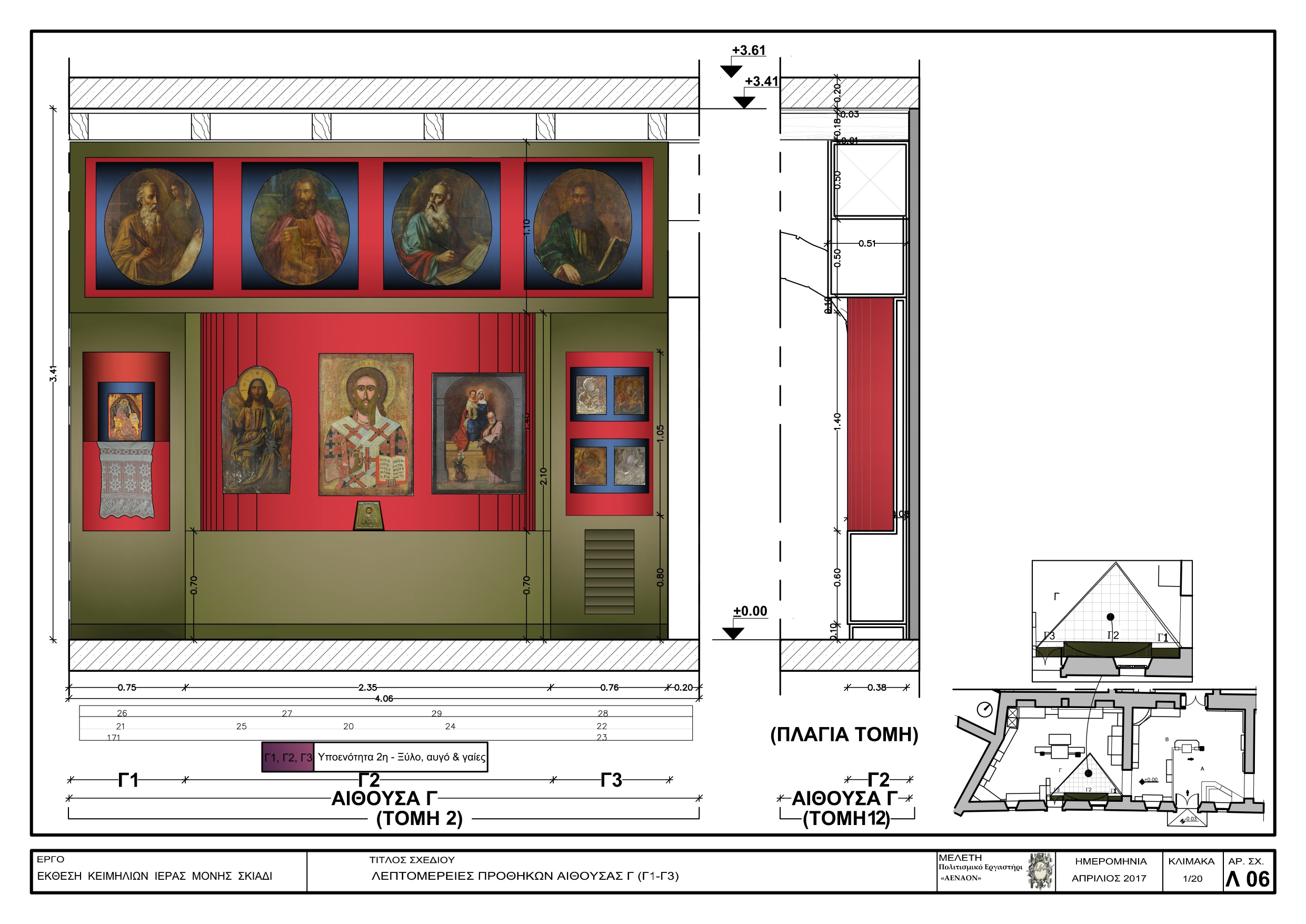
In the second subsection, “Wood, Egg and Earth”, reference is made to the materials used for the construction of portable icons, where they come from and what their raw form was. Holy icons have a prominent place in the worship of the church. The most prevalent technique for their execution is that of egg tempera on wood.
The subsection “Leather, Paper and Ink” presents manuscripts and early printed books which not only outline the materials and their manufacturing technique, as well as the evolution of writing, illustration and typesetting, but also serve as models for the books made of paper and the printed matter which came about in more recent times.
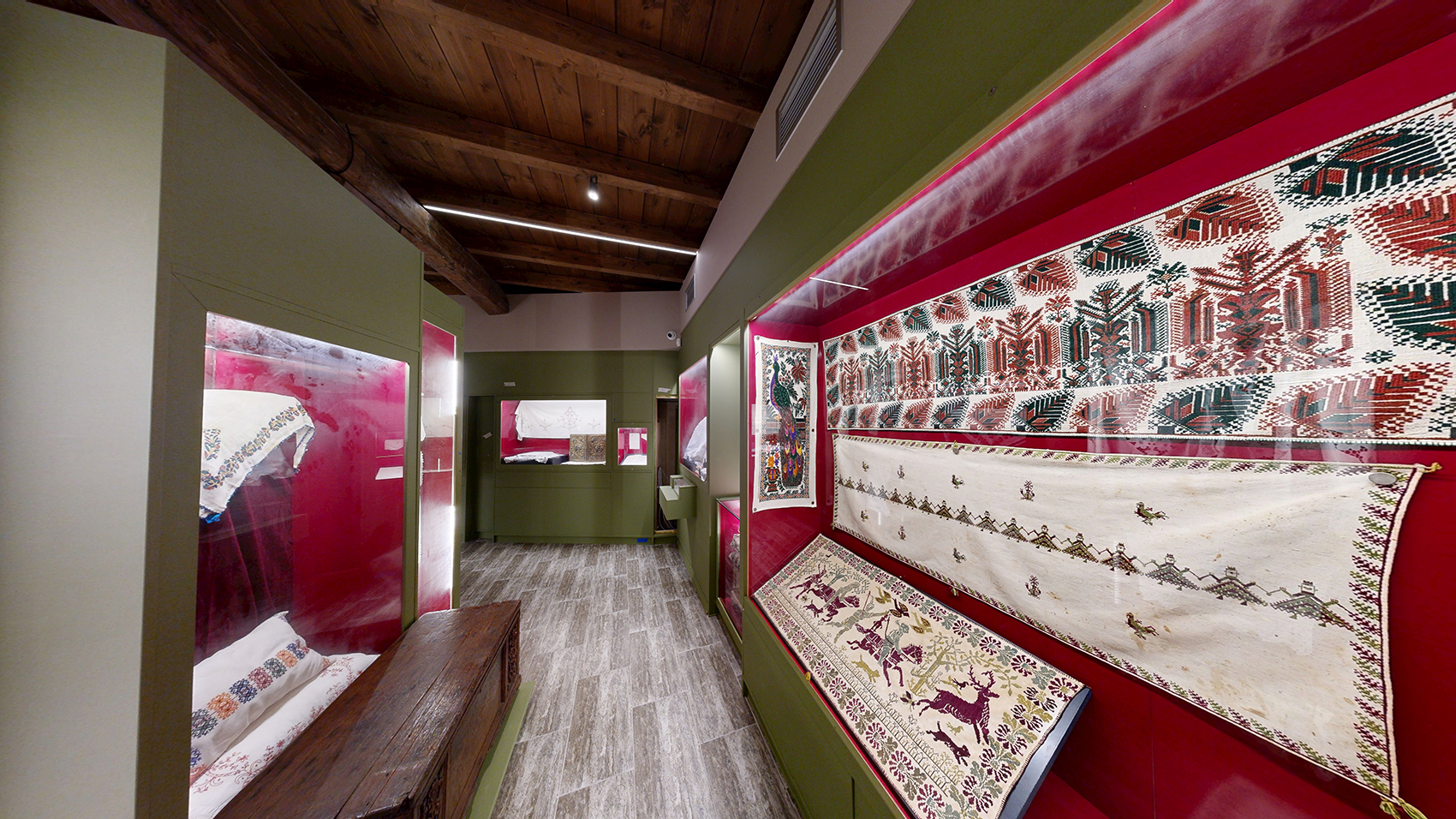
The subsection “Cotton, linen and silk” includes textile objects. Embroidery was directly linked to divine worship and ecclesiastical tradition, bequeathing us exquisite examples of cultural production. From the point of view of their manufacturing materials, their very physical composition connects textile objects to the exploitation of the natural wealth that surrounds us.
The Orthodox doctrine treats nature with respect, knowing that its potential is not unlimited, taking care not to exhaust it. With prudence and restraint, it urges for a rational use of the materials we take from our natural environment.